This is general information from published health sources and is not a substitute for medical advice.
There is no single superfood for bones. Strong bones depend on getting enough calcium from everyday food, enough vitamin D (mostly from sunlight), regular weight-bearing exercise and a varied diet. In India, the useful calcium foods are ordinary ones: milk, curd and buttermilk, ragi, sesame, drumstick and amaranth leaves, curry leaves, and, for those who eat fish, fish eaten with the bones, such as sardines.
Food supports your bones. It cannot cure or reverse osteoporosis, and it does not replace treatment if a doctor has diagnosed it.
What food can and cannot do for your bones
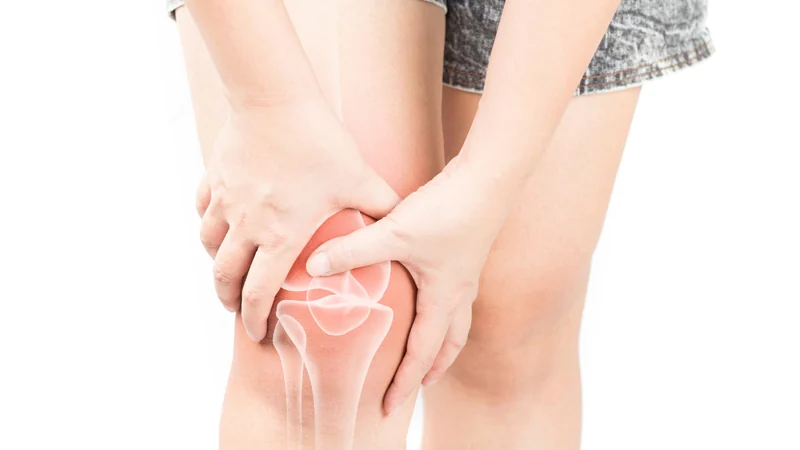
Osteoporosis makes bones thinner and easier to break. The NHS notes that it is usually painless until a bone breaks, that bone loss speeds up in the first few years after the menopause, and that early menopause (before 45) or removal of the ovaries raises the risk. That is why bone health matters for Indian women in their 40s and 50s as much as for older relatives.
Calcium and vitamin D give your bones the raw materials. ICMR-NIN's Dietary Guidelines for Indians (2024) also say physical activity builds strong muscles, bones and joints. Diet alone, without movement and enough sunlight, is only part of the picture, and no single food can build strong bones by itself.
How much calcium do you need?
A 2021 review in Frontiers in Endocrinology reports that ICMR-NIN's 2020 recommended allowance for adults is 1,000 mg of calcium a day, ideally from food. The same review puts average calcium intake in India at around 460 mg a day, well under half of that figure, and estimates that about 80 to 85 per cent of Indians have some degree of vitamin D deficiency.
These are averages and estimates, so your own intake may be higher or lower. To get a feel for it, ICMR-NIN's food table lists cow's milk at about 120 mg per 100 g (100 g of milk is roughly 100 ml), so a 250 ml glass gives roughly 300 mg.
Indian foods that supply calcium
The table shows calcium per 100 g of the raw food, from ICMR-NIN's calcium food list. Values differ slightly between food tables, and you will not eat 100 g of sesame or curry leaves, so use the table to compare foods, not to count milligrams.
| Food | Calcium (mg per 100 g) | Easy ways to eat it |
|---|---|---|
| Sesame seeds (til) | 1,450 | A spoonful in chutney, laddoo or sprinkled on sabzi |
| Curry leaves | 830 | In tadka, chutney powders and buttermilk |
| Drumstick leaves | 440 | Sabzi, dal, paratha |
| Amaranth leaves (chaulai) | 397 | Saag, dal, stuffed rotis |
| Ragi (finger millet) | 344 | Roti, dosa, porridge, idli |
| Horse gram (kulthi) | 287 | Dal, soup, sprouted |
| Buffalo milk | 210 | Milk, curd, buttermilk |
| Cow's milk | 120 | Milk, curd, buttermilk |
The NHS also lists cheese and other dairy foods, green leafy vegetables such as curly kale and okra, soya drinks with added calcium, products made with fortified flour, and fish eaten with the bones, such as sardines. If you do not eat dairy, ragi, sesame, leafy greens and fortified soya drinks can all contribute.
What about spinach? Palak contains calcium on paper, but the NHS says the body cannot absorb all of it and does not count spinach as a good calcium source. Keep eating palak for the other nutrients, but do not rely on it for bones.
Vitamin D: sunlight first, food second
Your skin makes vitamin D when sunlight falls on it, and vitamin D helps your body absorb calcium. Food sources include oily fish, egg yolks and fortified foods, but sunlight is the main source. Indoor work, covered skin, darker skin, older age and sunscreen can all reduce how much your skin makes, which is one reason deficiency is so common in India despite the sunshine.
There is no single right amount of sun for everyone. A 2025 consensus by Indian endocrinologists describes 10 am to 3 pm as the window in which the sun's angle lets skin make vitamin D, and it recommends a blood test (serum 25-hydroxy vitamin D) for people in higher-risk groups.
These include people with obesity, diabetes, kidney or liver disease, or digestive conditions that limit absorption, and people who take long-term steroid or anti-seizure medicines. Do not sit in strong sun until you burn, and ask your doctor what suits your skin and age.
Be careful with tablets. Do not start calcium or vitamin D supplements on your own. The NHS warns that taking too much calcium from supplements can be harmful, and the Indian consensus warns that very high vitamin D doses taken without monitoring can be toxic. A doctor can test your levels and decide whether you need a supplement and how much.
A sample day of bone-friendly eating
This is an example of how the foods above can fit into ordinary Indian meals. It is not a prescription, and portions depend on your age, appetite and health.
- Breakfast: ragi dosa, idli or porridge, with a glass of milk or a bowl of curd.
- Mid-morning: buttermilk with a curry leaf and mustard seed tadka.
- Lunch: roti or rice, dal, a sabzi of drumstick or amaranth leaves, salad and curd.
- Evening: a fruit, or a handful of roasted chana, with unsweetened tea or milk.
- Dinner: khichdi or roti with vegetables and a small portion of fish, egg or paneer if you eat them.
If you eat fish with edible bones, such as sardines, they add calcium too. Keep salt low in all of it, because pickles, papad and packaged snacks can use up your daily allowance quickly.
Habits that matter as much as food
- Move your body. ICMR-NIN advises a minimum of 30 to 45 minutes of brisk walking or other moderate activity for adults, and says physical activity builds strong bones. Brisk walking, climbing stairs and strength work are everyday ways to do it. See our guide to balance exercises after 60 for gentle strength and balance moves that also lower the risk of falls.
- Limit salt. ICMR-NIN advises no more than 5 g of added salt a day and less processed and preserved food such as chips, biscuits and salted fish.
- Avoid alcohol. ICMR-NIN advises avoiding alcoholic drinks.
- Eat a varied, nutrient-rich diet as you age. For older adults, ICMR-NIN recommends vegetables, fruit, pulses, nuts, eggs and fish, and low-fat milk, along with regular activity. It also notes that ageing often brings a loss of appetite and changes in taste and smell, which can lower how much people eat, so small, tasty, frequent meals can help.
See a doctor if
- You break a bone after a minor fall or bump.
- You notice you are getting shorter or more stooped, or you have sudden back pain.
- You reached menopause early (before 45), had your ovaries removed, or have taken steroid tablets for a long time.
- You have persistent bone pain, which can be a sign of low vitamin D (osteomalacia).
- You have kidney or digestive disease, or you are pregnant or breastfeeding and wonder about supplements.
A doctor can assess your risk of fracture and may arrange a bone density scan. If you have already been diagnosed with osteoporosis, follow your doctor's plan, and ask before you change your exercise.
Related guides: How to lose weight at home, 10 everyday Indian foods that fit a heart-friendly diet, Heart-healthy eating in India.
Frequently asked questions
Is calcium from food better than from supplements?
The NHS says adults should be able to get the calcium they need from a varied, balanced diet, and warns against taking too much from supplements. Ask your doctor before starting any.
I am vegetarian and do not drink milk. Where can I get calcium?
Ragi, sesame, curry leaves, drumstick and amaranth leaves, horse gram, and calcium-fortified soya drinks are options listed by ICMR-NIN and the NHS. A doctor or dietitian can check whether you also need a supplement.
Does spinach help bones?
Not much for calcium. The NHS says the body cannot absorb all the calcium spinach contains, so it is not counted as a good source. Ragi, dairy and other greens such as drumstick leaves are better choices.
How much sun do I need for vitamin D?
There is no one answer. It depends on your skin, age, clothing, season and time of day. Indian experts note that 10 am to 3 pm gives the best sun angle, but avoid burning. If you are in a higher-risk group, ask for a vitamin D blood test.
Can food reverse osteoporosis?
No. A calcium-rich diet, sunlight and exercise support bone health, but if you have osteoporosis you need medical care and a plan from your doctor.
Your next step: list the calcium foods you ate yesterday, and add one more a day this week, such as a ragi roti, a glass of buttermilk or a spoonful of til in your chutney. If you are over 60, our post on balance exercises is the natural companion to this one.
Sources
- ICMR-National Institute of Nutrition, "Calcium rich food items" (nutrient per 100 g of edible portion). https://www.nin.res.in/ebooks/Calcium.pdf. Read on 13 October 2026.
- ICMR-National Institute of Nutrition, "Dietary Guidelines for Indians" (2024 edition booklet). https://nin.res.in/downloads/DGI_Booklet_English_CMYK.pdf. Read on 13 October 2026.
- Frontiers in Endocrinology, review on calcium and vitamin D in India, which reports the ICMR-NIN 2020 calcium allowance, average Indian intake and vitamin D deficiency (2021). https://www.frontiersin.org/journals/endocrinology/articles/10.3389/fendo.2021.583654/full. Read on 13 October 2026.
- NHS, "Calcium". https://www.nhs.uk/conditions/vitamins-and-minerals/calcium/. Read on 13 October 2026.
- NHS, "Osteoporosis". https://www.nhs.uk/conditions/osteoporosis/. Read on 13 October 2026.
- Kalra and colleagues for the Endocrine Society of India, "Prevention and treatment of vitamin D deficiency in India: an expert group consensus", Indian Journal of Endocrinology and Metabolism, February 2025. https://pmc.ncbi.nlm.nih.gov/articles/PMC11964374/. Read on 13 October 2026.
This article is general information, not medical advice. Speak to a doctor or another qualified professional about your own health.
We may earn a commission if you buy through links on this page, at no extra cost to you. As an Amazon Associate I earn from qualifying purchases. How we earn