This is general information from published health sources and is not a substitute for medical advice.
You can lose weight at home without a gym or a special diet, but crash diets, detox teas and "fat burner" pills do more harm than good. This guide uses the Dietary Guidelines for Indians 2024 from ICMR-NIN and advice from the NHS to set a safe pace, suggest what to eat and how to move at home, and explain when to talk to a doctor first.
It is for adults who are not pregnant or breastfeeding, and it is not a personal treatment plan.
Check your starting point and talk to a doctor if needed
Body mass index (BMI) is your weight in kilograms divided by your height in metres squared. For most adults the NHS calls 25 to 29.9 overweight and 30 or more obese. For people of South Asian, Chinese and other Asian backgrounds, the NHS uses lower limits because health risks begin at a lower BMI: 23 to 27.4 is overweight, and 27.5 or more is obese.
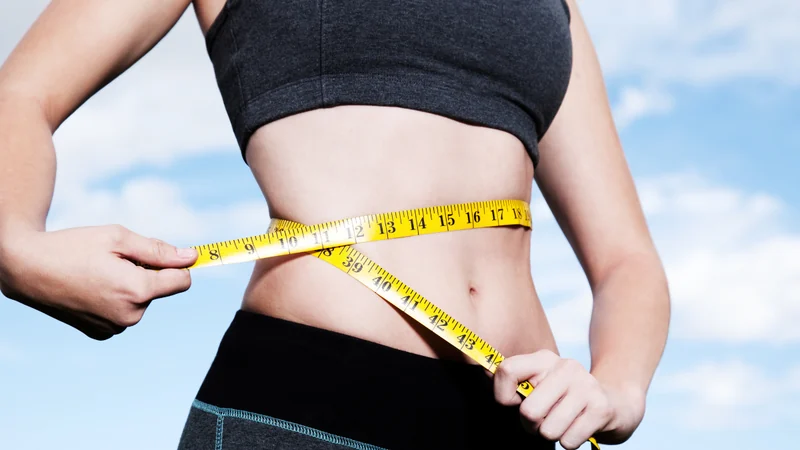
BMI cannot tell muscle from fat, so the NHS also suggests keeping your waist measurement below half your height.
The NHS advises seeing a doctor if your BMI is in the overweight or obese range and you want help losing weight, your waist is more than half your height, or you have pre-diabetes, diabetes, high blood pressure, high cholesterol, joint pain, sleep apnoea or heart disease. It also advises seeing a doctor if you have, or think you may have, an eating disorder, so do that before you start any diet.
Do not diet if you are pregnant or breastfeeding. ICMR-NIN says these stages need extra nourishing food and healthcare. It also notes that women often gain weight after childbirth because of less activity and extra calories, so go gently and ask your doctor when it is right to start.
Aim for slow, steady weight loss
The NHS advises aiming to lose about 0.5 to 1 kg a week and says not to lose weight suddenly with diets. ICMR-NIN agrees: slow and steady reduction is advisable, and extreme approaches to weight loss may lead to health hazards.
That pace works out to roughly 2 to 4 kg a month at most, and many people lose more slowly. The NHS says losing 5 to 10% of your body weight can already improve your health, which for a 70 kg adult is 3.5 to 7 kg.
We have deliberately not given a daily calorie target. A safe target depends on your age, size, activity and health. The NHS describes very low calorie diets (under 800 or 1,200 calories a day) as plans supervised by a dietitian, and says they are not suitable or safe for everyone. If you want a number, ask a doctor or registered dietitian.

What to eat: Indian food, simple rules
ICMR-NIN's guidelines give a practical, India-based checklist:
- Vegetables and legumes: aim for at least 400 g of vegetables a day, with green leafy vegetables in every meal, plus dal, rajma, chana and other legumes.
- Grains: prefer whole grains and millets such as ragi, bajra and jowar to refined grains. Eating pulses with cereals, as in dal with roti or rice, improves the quality of the protein in a meal.
- Protein from food: eggs, fish, poultry, dal, beans, milk and curd all count. ICMR-NIN says protein powders are unnecessary for normal healthy life.
- Cut back on: sugar (below 5% of your daily energy), salt (no more than 5 g of added salt a day), refined oil, deep-fried foods, ghee and butter in large amounts, soft drinks and alcohol.
- Choose fruit, not juice, and read food labels.
The NHS adds that you should not skip meals, because hunger can lead to more snacking, and that you should not feel you have to finish your plate when you are full. Leftovers can wait for tomorrow. A useful picture is a plate where vegetables and dal take up as much space as roti or rice.
With Diwali on 8 November 2026, plan to enjoy a few sweets on the day rather than a daily supply for weeks.
Move more at home and sleep well
The NHS recommends getting 150 minutes of activity a week, which can be split into shorter sessions. ICMR-NIN suggests at least 30 to 45 minutes of brisk walking or moderate activity for adults, and says yoga and regular physical activity are essential for avoiding weight gain. It also links resistance exercise with keeping muscle, so add simple strength work such as squats or push-ups against a wall.
You do not need equipment. Brisk walking on the terrace or in your lane, climbing stairs, dancing and a yoga routine all count. Start with what feels easy and build up, and read our guide to avoiding pain and injury when you start exercising.
Sleep and screens matter too. ICMR-NIN says a healthy sleeping pattern of 6 to 8 hours a day helps to avoid unhealthy eating behaviours and the weight gain that follows, and it advises minimising non-essential screen time.
What to skip
- Detox teas, diet pills and appetite suppressants. In 2019 the NHS medical director said these have "a slim chance of success" and that people "could end up doing more harm than good". NHS England lists side effects that include diarrhoea and heart problems, and warns that some products can interfere with oral contraceptive pills, leading to unplanned pregnancies.
- Crash diets and skipping meals. They are not the safe pace described above.
- Protein powders and supplements. ICMR-NIN advises getting protein from food, and says prolonged excess protein from supplements can affect health.
- Claims that drinking water "flushes out toxins" or burns fat. We did not find support for these in the sources we checked. Drink enough safe water, and in hot weather ICMR-NIN suggests buttermilk, tender coconut water or lemon water, not soft drinks.
Eating disorders: warning signs
Dieting can trigger or hide an eating disorder. The NHS says men and women of any age can develop anorexia, which is most common in young women and often starts in the mid-teens. Warning signs include skipping meals or eating very little, being preoccupied with food, avoiding foods seen as fattening, believing you are fat when you are underweight or a healthy weight, periods stopping, dizziness, hair loss and dry skin. Some people make themselves sick, exercise excessively or misuse laxatives, diuretics or appetite suppressants.
If you recognise this in yourself, see a doctor as soon as you can, even if you are not sure. Taking a friend or family member to the appointment can help. If you are worried about someone else, encourage them to see a doctor and offer to go with them. Stop any weight-loss plan until you have been seen.
Related guides: Five ways to avoid pain and injury when starting a new exercise routine, 10 everyday Indian foods that fit a heart-friendly diet, 5 gentle desk-break exercises for back and neck aches at work.
Frequently asked questions
How much weight can I safely lose in a month?
The NHS suggests 0.5 to 1 kg a week, so roughly 2 to 4 kg a month at most. Many people lose more slowly, and faster is not better.
Do I need to count calories?
Not necessarily. ICMR-NIN focuses on food choices, such as more vegetables, pulses and whole grains and less sugar, salt and fried food. If you do count, do not set a very low target without a dietitian.
Does hot water with lemon and honey burn fat?
None of the health sources we checked says it does. Lemon water is a fine drink in hot weather, but honey is sugar, and ICMR-NIN advises keeping added sugar below 5% of your daily energy.
Should I take protein powder or a weight-loss supplement?
No. ICMR-NIN says protein powders are unnecessary for normal healthy life, and the NHS medical director warned that diet pills and detox teas can do more harm than good.
Can I follow a plan like this if I have diabetes or take regular medicines?
Speak to your doctor first. The NHS lists diabetes, pre-diabetes, high blood pressure and heart disease among the reasons to see a doctor about your weight.
Sources
- ICMR-NIN, "Dietary Guidelines for Indians 2024" (booklet): https://www.nin.res.in/downloads/DGI_Booklet_English_CMYK.pdf. Read on 13 October 2026.
- NHS, "Tips to help you lose weight": https://www.nhs.uk/live-well/healthy-weight/managing-your-weight/tips-to-help-you-lose-weight/. Read on 13 October 2026.
- NHS, "Obesity" (overview, BMI ranges and when to see a GP): https://www.nhs.uk/conditions/obesity/. Read on 13 October 2026.
- NHS, "Obesity: treatment": https://www.nhs.uk/conditions/obesity/treatment/. Read on 13 October 2026.
- NHS, "Anorexia nervosa: overview": https://www.nhs.uk/mental-health/conditions/anorexia/overview/. Read on 13 October 2026.
- NHS England, "'Slim chance of success' with quick-fix diets, warns England's top doctor" (31 December 2019): https://www.england.nhs.uk/2019/12/quick-fix-diets/. Read on 13 October 2026.
This article is general information, not medical advice. Speak to a doctor or another qualified professional about your own health.
We may earn a commission if you buy through links on this page, at no extra cost to you. As an Amazon Associate I earn from qualifying purchases. How we earn