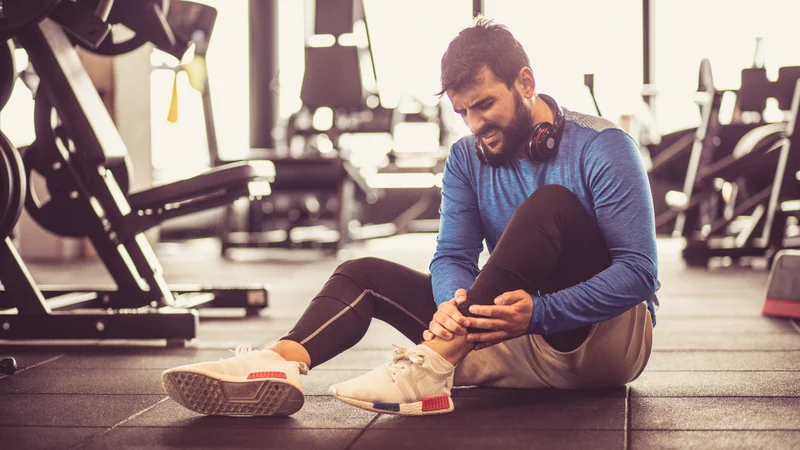
This is general information from published health sources and is not a substitute for medical advice.
Starting to exercise is one of the best things you can do for your health, but doing too much too soon is the classic way to get hurt. This guide gives five ways to start safely, explains the difference between being sore and being injured, tells you what to do if you do get hurt, and lists the signs that mean you must stop and get help. It follows advice from the NHS, ICMR-NIN and a Cochrane review.
1. Check your health first
The NHS advises speaking to a doctor before you start if you have not exercised for a while or have a medical condition, for example heart problems, diabetes, high blood pressure or a joint problem. It also says to choose an activity and intensity that suit your current fitness. If you are pregnant or have recently had a baby, ask your doctor which activities suit you.
This is not a reason to stay still. ICMR-NIN's Dietary Guidelines for Indians 2024 say that even among people with chronic diseases, physical activity helps to maintain health. The aim is a safe start, with guidance, not no start.
2. Build up slowly
The NHS targets for adults are at least 150 minutes of moderate activity or 75 minutes of vigorous activity a week, spread over 4 to 5 days or every day, plus strengthening exercises that work all the major muscle groups on at least 2 days. ICMR-NIN suggests at least 30 to 45 minutes of brisk walking or moderate activity. These are destinations, not where to begin.
A simple way to start is with sessions that feel easy, such as 10 to 15 minutes of walking on most days. Add a few minutes each week, and change only one thing at a time: time, speed or load. The NHS gives a handy test for moderate intensity: you can still talk, but not sing. Yoga, tai chi and exercises with resistance bands or your own body weight count as strengthening.

3. Warm up and cool down, but keep expectations realistic
Cleveland Clinic lists warming up with gentle stretches and light cardio, starting slowly with new activities, and cooling down afterwards among the ways to lower your risk of muscle soreness. A few minutes of easy walking before and after a session is comfortable and costs nothing.
Do not expect stretching to prevent soreness, though. A Cochrane review of 12 trials found that stretching, whether done before, after or both, does not produce clinically important reductions in delayed-onset muscle soreness in healthy adults. Cleveland Clinic explains the soreness as tiny tears in muscle fibres. So treat a warm-up and cool-down as good habits for comfort and readiness, not as guaranteed protection or a way to "flush out" soreness.
4. Know the difference between soreness and pain
Delayed-onset muscle soreness (DOMS) is normal after new or hard exercise. Cleveland Clinic says it starts one to three days afterwards, builds over several hours, and is not felt during the exercise itself. It usually fades within a few days and rarely lasts more than five days.
Rest is usually the best treatment, and gentle movement is fine. It adds that the "no pain, no gain" idea is not necessarily true, and that a good workout can happen without soreness.
Pain is different. See a doctor if:
- the pain lasts more than a week;
- the pain is sharp and constant;
- there is severe swelling around a muscle;
- your urine is unusually dark or contains blood.
Stop exercising straight away if something hurts during a session, or if you feel dizzy, sick or unwell.
5. Use good form, suitable kit and sensible conditions
- Form: learn new movements, especially lifting weights, from a qualified instructor or physiotherapist. Start with light loads. ICMR-NIN notes that resistance exercise helps build and keep muscle.
- Kit: wear comfortable clothes and supportive shoes that suit the activity.
- Heat and humidity: in Indian summers, exercise in the cooler hours of early morning or evening, and stop if you feel faint, sick or confused. ICMR-NIN suggests buttermilk, tender coconut water or lemon water in hot weather, and advises avoiding soft drinks.
- Protein powders: ICMR-NIN says most athletes can get enough protein from food, protein powders are unnecessary for normal healthy life, and excess protein from supplements taken for long periods can affect health.
If you do get hurt
For a sprain or strain, the NHS recommends "PRICE" for the first 2 to 3 days:
- Protection: use a support or supportive shoes;
- Rest: stop exercising and avoid putting weight on the injury;
- Ice: apply a cold pack for up to 20 minutes every 2 to 3 hours;
- Compression: wrap a bandage around it during the day;
- Elevation: keep it raised on a pillow as much as you can.
For the first couple of days, avoid heat (such as hot baths and heat packs), alcohol and massage. Start gentle movement once the pain allows. The NHS says most sprains and strains feel better after 2 weeks, but advises avoiding strenuous exercise such as running for up to 8 weeks, and severe injuries can take months.
See a doctor if the injury is getting worse or not improving. Seek urgent medical help if the pain is severe or getting worse, swelling or bruising is spreading, you cannot put weight on the leg or walk more than a few steps, or you have a high temperature and feel shivery.
Go to a hospital emergency department, or call 112, if you heard a crack when you were hurt, the area looks misshapen, it feels numb or tingly, or the skin looks blue or grey or feels cold.
Stop and get emergency help if
Stop at once and get emergency help for chest pain or pressure, severe breathlessness, fainting or near-fainting, or sudden confusion. Do not try to push through these. Call 112, India's single emergency number, or ask someone to take you to hospital.
The Ministry of Home Affairs says 112 covers police, medical and fire emergencies and can be reached by call, SMS, e-mail, a panic button and the 112 India app. If it does not connect in your area, use your local ambulance number.
Related guides: How to lose weight at home, 5 gentle desk-break exercises for back and neck aches at work, Balance exercises after 60.
Frequently asked questions
How much exercise do I need each week?
The NHS recommends at least 150 minutes of moderate activity or 75 minutes of vigorous activity, plus strengthening on at least 2 days. ICMR-NIN suggests 30 to 45 minutes of brisk walking or moderate activity. Build up gradually to these levels.
Is it normal to be sore the next day?
Yes, after new or hard exercise. It usually starts one to three days later and rarely lasts more than five days. See a doctor if it lasts more than a week, is sharp and constant, or comes with severe swelling or dark urine.
Should I stretch before I exercise?
A gentle warm-up is sensible, but a Cochrane review found that stretching before or after exercise does not meaningfully reduce muscle soreness. Do not rely on it as protection.
Do I need protein powder when I start going to the gym?
No. ICMR-NIN says most athletes can get the protein they need from food, and that protein powders are unnecessary for normal healthy life.
What should I do for a sprained ankle at home?
Follow PRICE for the first 2 to 3 days: protection, rest, ice, compression and elevation. Avoid heat, alcohol and massage at first. If you cannot put weight on it, it looks misshapen or feels numb, get medical help.
Sources
- NHS, "Physical activity guidelines for adults aged 19 to 64": https://www.nhs.uk/live-well/exercise/exercise-guidelines/physical-activity-guidelines-for-adults-aged-19-to-64/. Read on 13 October 2026.
- NHS, "Sprains and strains": https://www.nhs.uk/conditions/sprains-and-strains/. Read on 13 October 2026.
- ICMR-NIN, "Dietary Guidelines for Indians 2024" (booklet): https://www.nin.res.in/downloads/DGI_Booklet_English_CMYK.pdf. Read on 13 October 2026.
- Cochrane, "Stretching to prevent or reduce muscle soreness after exercise": https://www.cochrane.org/evidence/CD004577_stretching-reduce-or-prevent-muscle-soreness-after-exercise. Read on 13 October 2026.
- Cleveland Clinic, "Delayed onset muscle soreness (DOMS)": https://my.clevelandclinic.org/health/diseases/delayed-onset-muscle-soreness. Read on 13 October 2026.
- Press Information Bureau, Ministry of Home Affairs, "Status of implementation of Emergency Response Support System (ERSS)": https://www.pib.gov.in/PressReleseDetailm.aspx?PRID=1601844®=3&lang=2. Read on 13 October 2026.
This article is general information, not medical advice. Speak to a doctor or another qualified professional about your own health.
We may earn a commission if you buy through links on this page, at no extra cost to you. As an Amazon Associate I earn from qualifying purchases. How we earn