
The most reliable winter wear for women is three thin-to-medium layers rather than one heavy garment: a thermal or soft cotton base, a sweater or cardigan in the middle, and a jacket or shawl on top. How many of those layers you need depends on your city far more than on the calendar, so start with your January night temperature, then choose fabrics and a budget.
Most buying mistakes come from skipping that first step: a Mumbai wardrobe bought for Delhi, or a listing that says "woollen" while the label says something else. This guide covers fabrics, what to check before ordering online, budget tiers, thermals, care, and what to wear for hills, office and home.
How cold is winter in your city?
Average January nights run from about 7.5°C in Delhi to about 17°C in Mumbai, and that gap decides almost everything else. The table uses India Meteorological Department normals for 1991 to 2020, as tabulated on each city's Wikipedia page (checked 12 October 2026). Individual nights are colder than the monthly average, so plan a little below the figure.
| Place | Average January night | Average January day | What it means for your wardrobe |
|---|---|---|---|
| Delhi (Safdarjung) | 7.5°C | 20.1°C | Real winter: thermals, sweater and jacket, plus a shawl for evenings |
| Kolkata (Alipore) | 14.3°C | 25.5°C | Cool evenings: a cardigan or light jacket, thermals only on the coldest nights |
| Hyderabad | 13.9°C | 28.6°C | Cold mornings, warm afternoons: a cardigan and a light jacket that comes off |
| Bengaluru | 16.1°C | 28.4°C | Mild: a light sweater, fleece or shawl for early mornings and night rides |
| Mumbai (Santacruz) | 16.9°C | 31.2°C | Very mild: a light cardigan for air-conditioned rooms and night travel |
| Shimla | 1.7°C | 9.3°C | Cold all day: full layers with a windproof outer |
| Manali | minus 1.1°C | 10.5°C | Below freezing at night: full layers with a windproof outer |
Notice that Hyderabad's average January night is just over two degrees cooler than Bengaluru's, even though Bengaluru has the sweater-weather reputation. Hill stations are a different league: Shimla and Manali stay cold through the day, and snow in Manali falls mainly between December and the beginning of March.
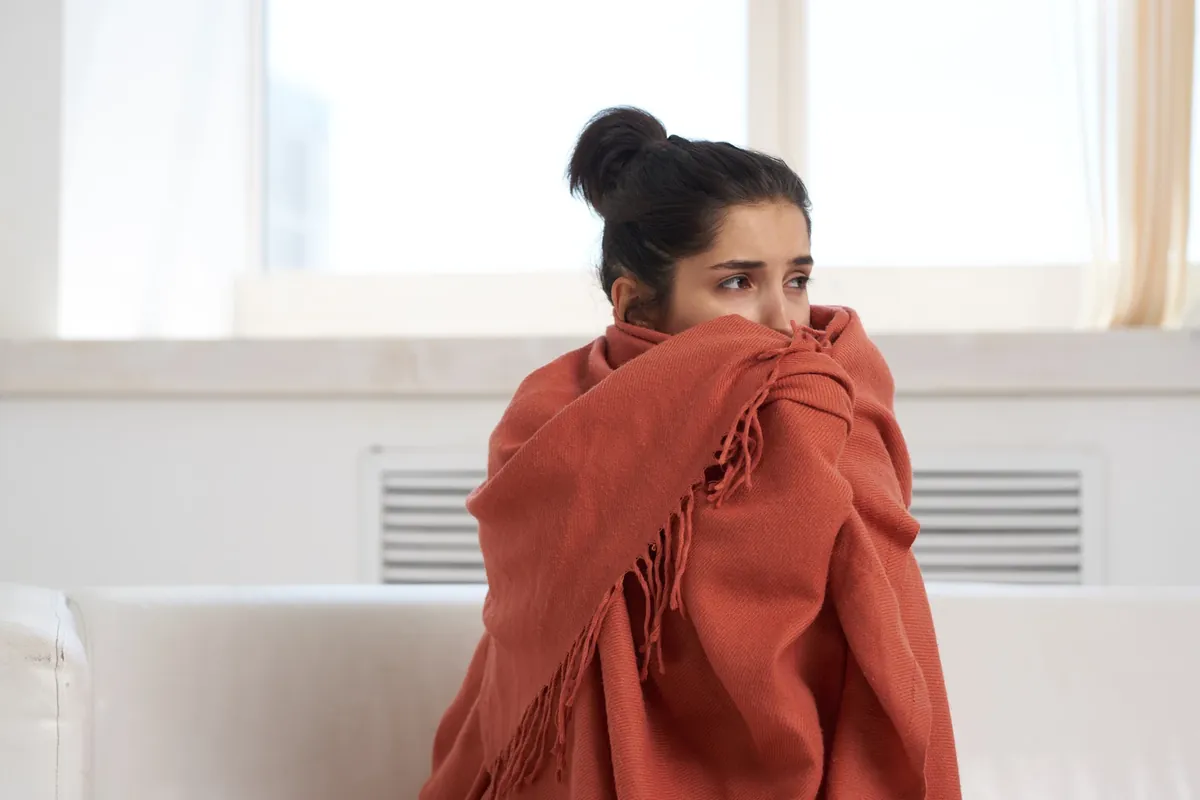
How should you layer?
Outdoor-clothing guides, such as the one from retailer REI, split dressing for the cold into three jobs. The base layer sits against your skin and moves sweat away. The middle layer holds in body heat. The outer layer blocks wind and rain. In everyday Indian terms: a thermal or cotton vest, a sweater or cardigan, and a jacket or shawl.
Layers beat one thick garment because you can take one off when the sun comes out or the metro gets crowded, and warm air stays trapped between them. A thin sweater under a light jacket gives you more settings than one bulky sweater ever will. The goal is simple: comfortable at the 7 am bus stop and still comfortable in a warm office at 2 pm.
Our stance on the base layer: cotton is fine for the office and for mild winters, but it absorbs sweat and dries slowly, so it is a poor choice for a long hill walk or a day outdoors. For those days, choose a synthetic or merino base instead.

Which fabric is best: wool, acrylic, fleece or cotton blends?
No single fabric wins. Each one trades warmth, comfort, price and upkeep differently, so match the fabric to how you will wear the garment.
| Fabric | What it is | Good for | Watch out for |
|---|---|---|---|
| Wool, including merino | Natural animal fibre | Warm, soft sweaters, cardigans and coats | Coarse wool can itch; heat and rubbing can shrink it, so wash gently |
| Acrylic | Synthetic fibre made from a polymer called polyacrylonitrile | A wool-like feel in sweaters and cardigans, often at a lower price than wool | Can fuzz and pill; keep heat low; burns readily, as cotton does, while wool burns least |
| Fleece | Napped polyester | Light, warm pullovers and jackets for home and travel; dries fast | Lower-grade fleece pills; attracts static and lint; hot washes damage it |
| Cotton and cotton blends | Natural fibre alone, or mixed with polyester | Thermals, kurti layers and light cardigans | Pure cotton holds moisture and dries slowly; blends vary, so read the percentage |
If wool itches you, the cause is mechanical rather than an allergy. Woolmark, the wool industry's quality body, says coarse fibres thicker than about 30 to 32 microns irritate skin when they press or brush against it, which is why fine merino feels softer. If a wool sweater scratches at the neck, wear a thin cotton or merino layer underneath.
What should you check before buying online?
Read these five things on the product page before you read the reviews.
- Fibre percentages. "Woollen finish", "wool feel" and "warm knit" describe how a fabric feels, not what it is made of. Look for a line such as "60% acrylic, 40% wool", and look at the care label in the photos.
- Size in centimetres. Under the Legal Metrology (Packaged Commodities) Third Amendment Rules, 2022, in force from 1 January 2023, loose garments should show a size (S, M, L and so on) with metric measurements, the maker or marketer's name and address, a consumer-care contact and the MRP, and online listings should carry the same details, according to a summary by law firm S.S. Rana. If the page gives no chest and length figures, compare with a sweater that already fits you well, or ask the seller.
- Weight. For fleece and thermals, heavier brushed fabric (a higher GSM, meaning grams per square metre) is warmer and bulkier. Lighter weights layer better under clothes in mild winters.
- Itching, shrinkage and pilling in reviews. Search the review text for "itchy", "shrunk" and "pilling", and look at photos taken after a wash.
- The return window. Fit and feel are the two things a photo cannot show, so buy where you can return or exchange.
A big discount on a sweater that itches is still a sweater you will not wear, so let the label decide.
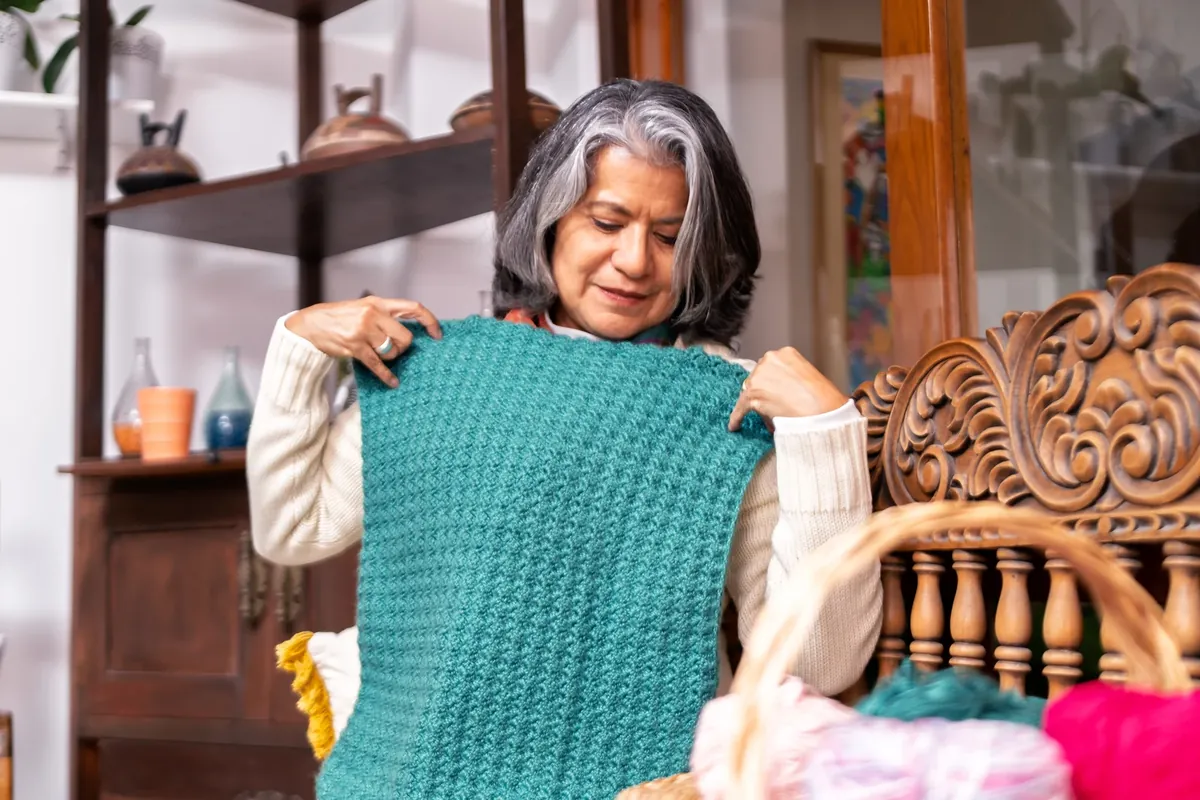
What should you buy at each budget?
These tiers describe what to prioritise at each spend per piece, not what any shop charges. Prices change often, so check the current price and the fibre label before you order.
Up to ₹1,000 a piece: sound basics
A plain cardigan, a fleece pullover or a cotton-blend thermal set make sense here. At this level the fibres are typically acrylic, polyester or cotton blends, so judge by the label, the fit and how the garment washes. Buy one layer you will wear every week rather than three you will not.
₹1,000 to ₹2,500: a daily jacket and a better knit
This is where a quilted or fleece-lined jacket, a wool-blend sweater or a longer cardigan earns its place. Prefer a windproof outer with a lining you can feel, a sweater with the wool percentage stated, and a size chart in centimetres.
₹2,500 to ₹5,000: pieces for the cold weeks
For North India or a hill trip, spend on the outer layer: a padded or insulated jacket, or a wool-rich coat. Check the insulation details, hood and cuffs, and the return policy.
Above ₹5,000: buy for several winters
Pure or high-percentage wool, merino and down-filled jackets belong in this tier. They are pieces to keep for years, so insist on the exact composition, written care instructions and clear return terms.
See ideas on Amazon.in
What should you look for in thermals?
Thermals are base layers that sit against your skin, so fit and fabric matter more than the label on the box. Cotton thermals are soft and comfortable for mild or indoor use but hold moisture. Polyester and merino manage moisture better, which is why they suit hill walks and cold, active days. Many everyday thermals are cotton and polyester blends, a middle path on comfort and drying.
- Fit: snug but not tight, with no gaps at the neck and wrists.
- Neckline: round neck under a kurti, high neck under a sweater.
- Weight: thin for Kolkata, Hyderabad and Bengaluru; heavier brushed fabric for Delhi and the hills.
- Length: add a full-length bottom for hills and night bike rides; a top alone often does for an office in a mild climate.
- Sensitive skin: look for flat seams and tag-free necks, and wash before first wear.
Buy two or three sets so one is always clean. Check women's thermal sets on Amazon
What should you wear for the hills, the office and home?
Hill-station trips
Pack a synthetic or merino thermal base, a wool or fleece middle layer, a windproof and water-resistant outer, and a cap, gloves and woollen socks. Check the forecast for your exact dates rather than trusting averages, because the coldest nights are well below them.
Office
A thin knit or cardigan over a blouse or kurti, plus a blazer or structured jacket, covers most days. Keep a stole in your bag for air-conditioned rooms.

Home
A fleece pullover, warm socks and a cotton-blend kurta over a thermal handle most evenings. Keep dupattas, shawls and synthetic knits clear of room heaters, angithis, bonfires and lit diyas or candles, and never leave a lit diya or candle unattended.
Acrylic and cotton both burn readily, and wool burns least, so no knit is safe near a flame: never dry knitwear over a heater, and switch the heater off when you leave the room or go to sleep.
How do you wash and store winter clothes?
Follow the care label first. For wool, Woolmark advises hand washing like this: turn the garment inside out, use lukewarm water at about 30°C and a mild detergent, soak for about 10 minutes, rinse in lukewarm and then cold water, and do not rub, pull or wring. Press the water out gently, then dry flat in the shade and reshape.
Woolmark says a machine wash is safe only when the care claim says so; in that case use the wool setting, usually a gentle action at 40°C, or a cold or delicates cycle, with a neutral detergent. Fleece can be damaged by hot washes, tumble drying and ironing, so wash it cool.
Keep heat low on acrylic too. Make sure everything is clean and completely dry before it goes into storage for the year.
Frequently asked questions
How many layers do I need for winter in North India?
Three work for most days: a thermal or cotton base, a sweater or cardigan, and a jacket or shawl. January nights in Delhi average about 7.5°C and individual nights are colder, so keep a fourth layer, such as a second sweater or a windproof shell, for cold spells and early mornings.
Is wool or acrylic better for sweaters?
Wool is a natural fibre and can itch if it is coarse. Acrylic is a synthetic fibre with a wool-like feel that is often cheaper but can fuzz and pill. A wool blend is the usual compromise. Choose by the fibre percentages on the label, not by the word "woollen" in a listing.
Why does my sweater itch?
According to Woolmark, itch comes from coarse fibres, thicker than about 30 to 32 microns, pressing or brushing against skin. It is mechanical irritation, not an allergy. Fine merino feels softer, and a thin layer underneath helps.
Can I wash sweaters in a washing machine?
Only if the care label allows it. Woolmark recommends the wool setting, usually a gentle action at 40°C, or a cold or delicates cycle, with a neutral detergent, then drying flat. Otherwise wash by hand in lukewarm water and do not wring.
Which fabric is best for thermals?
Polyester and merino manage moisture best, so they suit hills and active days. Cotton is soft and comfortable but holds moisture, and cotton and polyester blends sit in between. For mild winters indoors, a thin cotton blend is enough.
Your next step: check your city's January night temperature in the table, list the layers you already own, and buy only the missing one. If you are shopping for family, our Diwali gift ideas for family include a soft blanket or shawl ahead of winter.
Cold air also dries skin, so read our guide to the best moisturiser and body lotion for dry winter skin, and for the wedding season see wedding guest outfits by season and budget.
We may earn a commission if you buy through links on this page, at no extra cost to you. As an Amazon Associate I earn from qualifying purchases. How we earn