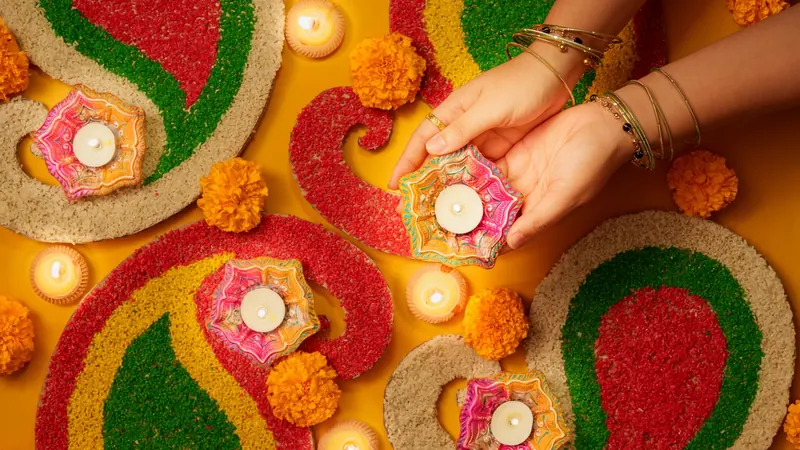
The Navratri 2026 colours, day by day, are orange (11 October), white (12), red (13), royal blue (14), yellow (15), green (16) and grey (17), followed by purple on day 8 (18 October) and peacock green on day 9 (19 October). Some lists use pink on one of those two days. The table below marks today's colour for you.
If you only noticed that Navratri has already begun, relax. The colour list is a modern custom, not a rule from the scriptures, and nobody is checking your wardrobe. Below you will find the full list, the reason each day has a colour, what to wear on each day, and a simple way to cover all nine days without nine separate outfits.
What is the Navratri 2026 colour list, day by day?
Sharad Navratri 2026 starts on Sunday 11 October, and most 2026 lists agree on the first seven colours. Days 8 and 9 are where publishers differ, so we have shown the common options. Colours and dates follow Drik Panchang for New Delhi, which gives purple for Sunday 18 October and peacock green for Monday 19 October.
The goddess for each day follows the tithi, and in India Ashtami (Mahagauri) falls on Monday 19 October, a day later than in the UK, the US and Canada, so check your local panchang.
| Day | Date (2026) | Goddess | Colour and what it stands for | Traditional offering |
|---|---|---|---|---|
| 1 | Sunday 11 October | Shailputri | Orange: warmth, enthusiasm | Ghee |
| 2 | Monday 12 October | Brahmacharini | White: purity, peace | Sugar or mishri |
| 3 | Tuesday 13 October | Chandraghanta | Red: strength, energy | Milk or kheer |
| 4 | Wednesday 14 October | Kushmanda | Royal blue: calm, abundance | Malpua |
| 5 | Thursday 15 October | Skandamata | Yellow: cheer, optimism | Bananas |
| 6 | Friday 16 October | Katyayani | Green: growth, harmony | Honey |
| 7 | Saturday 17 October | Kalaratri (Saptami) | Grey: balance, composure | Jaggery (gur) |
| 8 | Sunday 18 October | Saptami carries over: Kalaratri in some cities | Purple: grandeur, nobility | Jaggery (gur) if you are still on Kalaratri |
| 9 | Monday 19 October | Mahagauri (Ashtami), then Siddhidatri as Navami begins | Peacock green: freshness, individuality | Coconut for Mahagauri, sesame (til) for Siddhidatri |
Days 8 and 9 are the only ones where lists differ on colour: this table follows Drik Panchang, and some lists use pink on one of the two. The colour follows the calendar date, but the goddess follows the tithi, so the last rows need a note.
In New Delhi, Saptami (Kalaratri) carries over into the morning of Sunday 18 October, Ashtami (Mahagauri puja and, for most families, Kanya Pujan) is Monday 19 October, and Navami (Siddhidatri) begins late that morning and runs into 20 October.
Drik's Kolkata page also puts Ashtami on Monday 19 October. In the UK, the US and Canada, Drik lists Ashtami a day earlier, on Sunday 18 October. The offerings are the traditional bhog most lists give, and families vary.
Dussehra follows on Tuesday 20 October. The goddesses are the Navadurga sequence most calendars use. The meanings are the popular ones, not anything fixed in a text.
Why does every Navratri day have a colour?
For the first seven days, the colour is decided by the weekday on which that Navratri day falls. Navratri 2026 begins on a Sunday, so the sequence starts with orange and runs in weekday order through to Saturday's grey. That is also why the list changes every year: next year, Navratri starts on a different weekday and the colours shift with it.
Two things worth knowing. The colour-by-day habit is a modern, widely shared custom, not a rule from the scriptures. And the "meanings" vary from list to list, so treat them as a nice thought for the day, not a ritual requirement. Many families, temples and office groups publish their own list, and if yours differs from ours, follow yours.
Why do the colours for days 8 and 9 differ between lists?
Day 8 falls on a Sunday (18 October) and day 9 on a Monday (19 October), so the weekday pattern has already been used once. Publishers handle this in different ways. Some give fresh colours, most often purple for day 8 and peacock green for day 9, which is also what Drik Panchang lists.
Others offer pink as an alternative. A family that goes strictly by weekday may simply wear orange and white again.
There is no single right answer here, so pick whichever sits well with your outfit and your family's habit. Also keep in mind that in many homes Ashtami and Navami are the days of Kanya Pujan. In India in 2026 Ashtami is Monday 19 October and Navami begins late the same morning, so the last two days can feel merged anyway.
In the UK, the US and Canada Ashtami is Sunday 18 October. Check your local calendar for the exact dates.
What should you wear on each day of Navratri 2026?
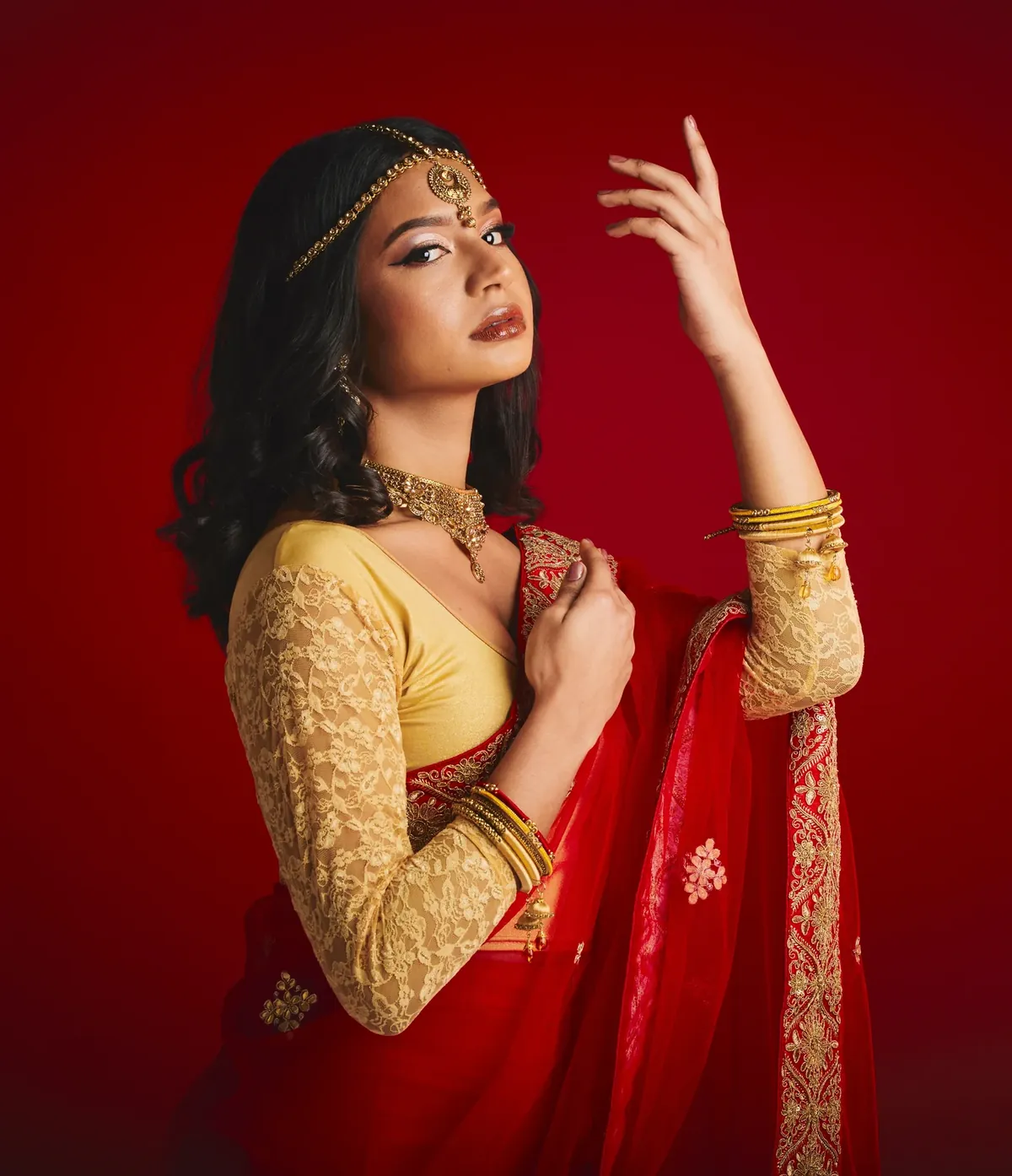
Treat colour as the main idea and keep the rest comfortable. Tap a day in the strip at the top to jump to it.
How can you cover nine colours without nine new outfits?
Most of us have a job, a family and a budget, so the practical plan beats the perfect plan. The method that works for most people is a base and dupatta system. Two plain base outfits cover days 2 and 7 on their own: one white kurta set and one grey.
Then keep a basic kurta in a neutral shade and swap dupattas in orange, red, royal blue, yellow, green and purple or peacock green.
That is two outfits and seven dupattas, which fit in a drawer. Dupattas also serve for Karwa Chauth, Diwali and wedding functions later in the season, so they are not a Navratri-only expense. If you wear sarees, the equivalent is one plain white saree plus coloured blouses, or a set of cotton sarees in the main colours.
What to buy for the nine days, if you need to
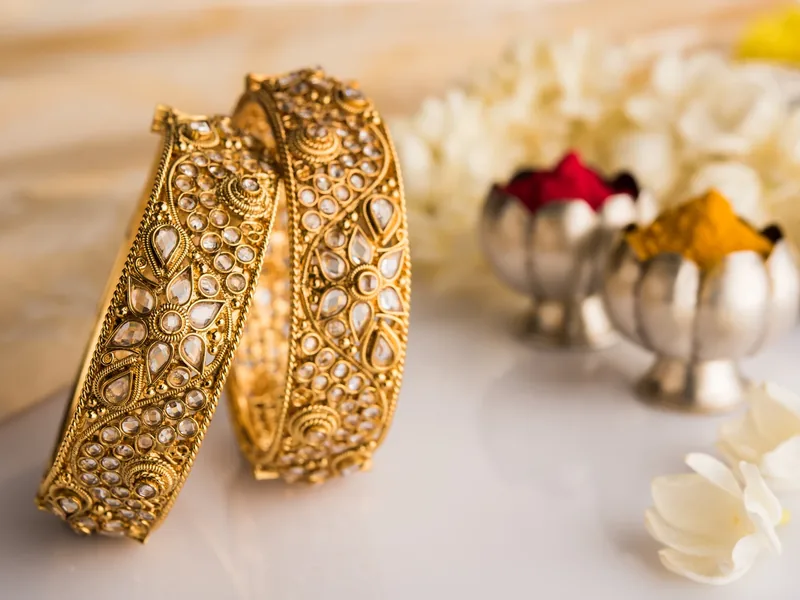
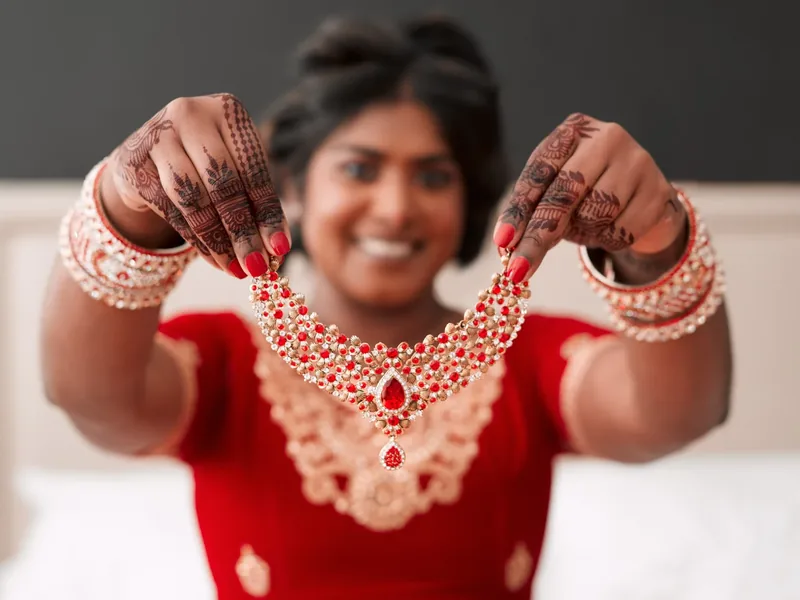
If your wardrobe has gaps, these are the pieces that earn their place beyond Navratri. These are product types, so check current listings and prices before you decide.
What if you started late, or are on day 2 or 3 now?
Start with today's colour and carry on. You do not need to make up for the days you missed. If you want the full nine-day look, you can mix a missed colour into a later day through a dupatta or bangles, and that is perfectly acceptable.
Equally, some people keep a single colour for the whole festival, and others only follow the colours on the days they go to the temple or a garba event.
If you are dancing this week, read our garba and dandiya outfit ideas as well, because a comfortable, colour-matched chaniya choli is its own planning exercise. And if you are fasting while you dress up, our Navratri vrat food list covers what to eat.
Do you have to wear the colour of the day?
No. Wearing the colour is a way of joining in, not a requirement of the festival, and no puja depends on it. Some families do not follow the colour list at all and instead wear whatever is clean, modest and comfortable for the puja. Others choose one colour per household. What matters more is dressing comfortably for the temple, for travelling or for a long evening of garba.
If you work in an office, a small gesture is enough: a coloured scarf, a dupatta, a bindi or a bangle in the colour of the day. It also makes an easy conversation starter with colleagues.
Frequently asked questions
What is the colour for Navratri today?
The table above highlights today's colour. In 2026 the nine days run from orange on 11 October to peacock green (or purple or pink) on 19 October.
What is the colour for day 8 and day 9 in 2026?
Lists differ a little. Drik Panchang gives purple for day 8 (Sunday 18 October) and peacock green for day 9 (Monday 19 October), and these are the most common choices, but pink is also used. Follow your family or temple list if it differs.
Which day is Ashtami (Mahagauri) in Navratri 2026?
In India, Drik Panchang lists Durga Ashtami and Mahagauri puja on Monday 19 October 2026, with Navami (Siddhidatri) beginning late that morning and Dussehra on Tuesday 20 October. In the UK, the US and Canada, Drik lists Ashtami on Sunday 18 October. Check your local panchang.
Why does the Navratri colour list change every year?
The first seven colours follow the weekday on which each day falls. Because Navratri starts on a different weekday each year, the order shifts too. In 2026 it starts on a Sunday, so orange comes first.
Is it compulsory to wear these colours during Navratri?
No. It is a popular modern custom and not a scriptural rule. You can follow it fully, partly or not at all.
What if I do not own an outfit in the colour of the day?
Wear a dupatta, scarf, bangles or a bindi in that colour over a neutral outfit. It counts, and it costs far less than a new set.
Your next step: lay out tomorrow's dupatta tonight, and check whether your family's colour list matches ours. If you are planning garba evenings, read the garba and dandiya outfit guide, and for the end of the festival see Dussehra 2026: date, puja vidhi and how to celebrate at home.
We may earn a commission if you buy through links on this page, at no extra cost to you. As an Amazon Associate I earn from qualifying purchases. How we earn