Dhanteras 2026 falls on Friday 6 November (New Delhi calendar), and it opens the five days of Diwali. People traditionally buy something new and lasting that day, such as gold, silver, brass or copper utensils, or a Lakshmi-Ganesh coin. You do not need gold to observe it: a small silver coin, a brass diya or a new broom is just as traditional.
What to skip depends on your family and region. Many households avoid iron, sharp objects, glass and black items, but the lists differ, and even stainless steel is treated differently from source to source. Trayodashi, the tithi that makes the day, runs from 10:30 AM on 6 November to 10:47 AM on 7 November (Drik Panchang, New Delhi, IST).
Puja is done in the evening Pradosh window on 6 November; the box above shows it for your city.
When is Dhanteras 2026, and why does the date vary?
Dhanteras is observed on Trayodashi, the thirteenth lunar day of the dark fortnight of the month of Kartik (Ashwin in the Amanta calendar). For 2026, Drik Panchang for New Delhi lists it on Friday 6 November, and other calendars agree on the date, although they give different tithi and puja timings.
That difference is normal. The tithi does not begin or end at midnight, so panchangs use slightly different rules and city-specific sunrise and sunset times. For Dhanteras, many calendars use the evening (Pradosh) period for the puja. We deliberately do not quote any times here, because a time that is correct for Delhi can be wrong for Mumbai, Kolkata or London.
Look up your own city and follow your family priest or elders if they say otherwise.
In some parts of India, the festivities begin earlier. Drik Panchang notes that in Maharashtra they start a day before with Govatsa Dwadashi, which falls on Thursday 5 November in 2026. The rest of the sequence is covered in our five-day Diwali calendar.
Why do people buy things on Dhanteras?
The day honours Lakshmi, the goddess of wealth, and Dhanvantari, the physician of the gods, who is described in tradition as emerging with a pot of amrita (nectar) during the churning of the ocean. The day is also known as Dhanvantari Trayodashi. Buying something new is a way of welcoming good fortune into the home.
There is also a well-known legend about the sixteen-year-old son of a king named Hima. His horoscope predicted he would die of a snakebite soon after his marriage. In the common telling, his wife piled gold and silver at the door, lit many lamps and kept him awake with stories and songs.
When Yama came in the form of a serpent, he was dazzled by the light and left without harming the prince. Many families remember this by lighting a lamp for Yama on Dhanteras (Yama Deepam). Versions of the story differ, and where the lamp is placed varies, so follow your own custom.
Spending more does not make the day more auspicious: the idea of the day is a mindful purchase and a lamp, not a price tag.
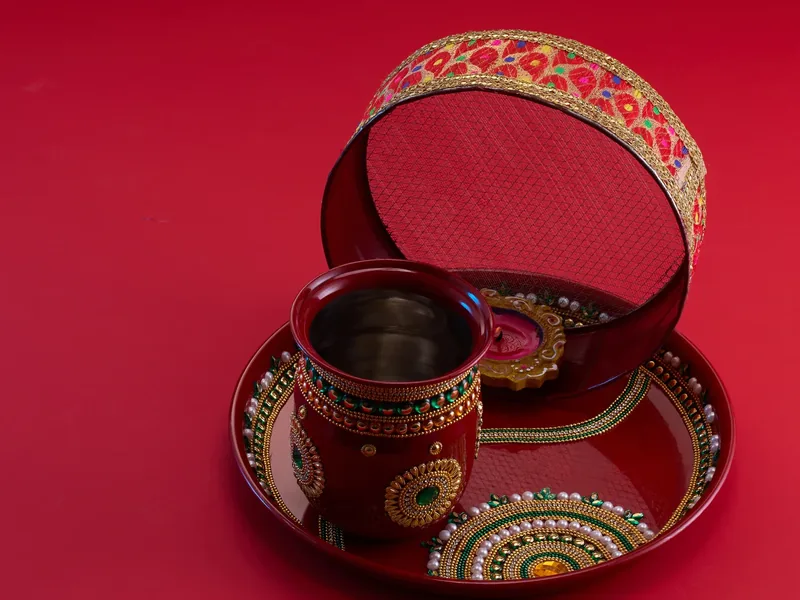
What do people traditionally buy on Dhanteras?
The most common purchases fall into a handful of groups. This table summarises them, along with a note on what to check. Prices vary too much by city and by the day's metal rates, so check the current price before you decide.
| What people buy | Why | What to check |
|---|---|---|
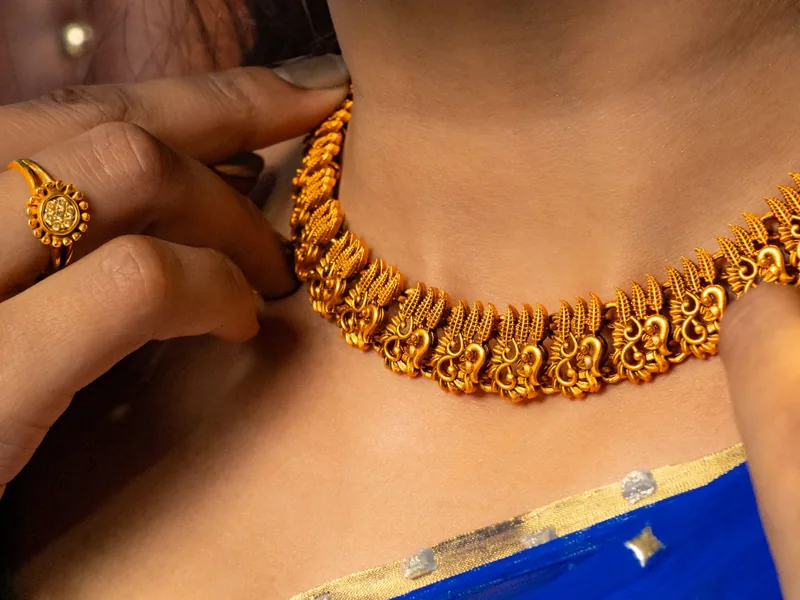
| Gold coins, jewellery or bars | Gold is the classic symbol of Lakshmi | BIS hallmark and HUID, making charges, buyback terms |
| Silver coins, bowls, diyas, idols | A more affordable metal with the same symbolism | Purity stamp (for example 999 on a coin), weight on the bill |
| Brass or copper utensils | New kitchenware is a widespread custom | Solid metal or plated, a food-safe lining where needed |
| A new broom | In many North Indian families it stands for sweeping out poverty | Buy it new and keep it for the home |
| Coriander seeds (dhaniya) | Offered to Lakshmi in some traditions | Fresh, clean seeds from a trusted shop |
| Lakshmi-Ganesh idols and diyas | New puja items for Diwali night | Size that fits your puja shelf, a stable base |
What should you buy on Dhanteras if your budget is tight?
If gold is out of reach this year, you are not missing the point of the festival. These are practical, traditional purchases that most buyers choose when they want something meaningful without a big bill. Pick one or two, not all of them.
A brass or copper utensil
A small brass lota, bowl or kalash is useful in the kitchen or on the puja shelf for years. Check that the listing says solid brass or copper and not just a "brass finish", and read the care instructions, because these metals need cleaning..
A small silver coin
A Lakshmi-Ganesh silver coin is a long-standing choice. Look for the weight and purity stated clearly, such as 999 for fine silver, and for a sealed pack with a certificate if the seller provides one..
A brass diya set
A set of brass diyas is a purchase you can use every year, and it fits the Yama Deepam custom as well. Choose a stable base and a wide enough bowl for a cotton wick..
A new soft broom
A good-quality broom is useful the same week you start your Diwali cleaning. Choose a firm, long-lasting one that suits the floor you have..
A Lakshmi-Ganesh idol for your puja
Many families buy a new pair of idols before Diwali. Check the size of your puja shelf before you order, and choose a firm base that will not tip over..
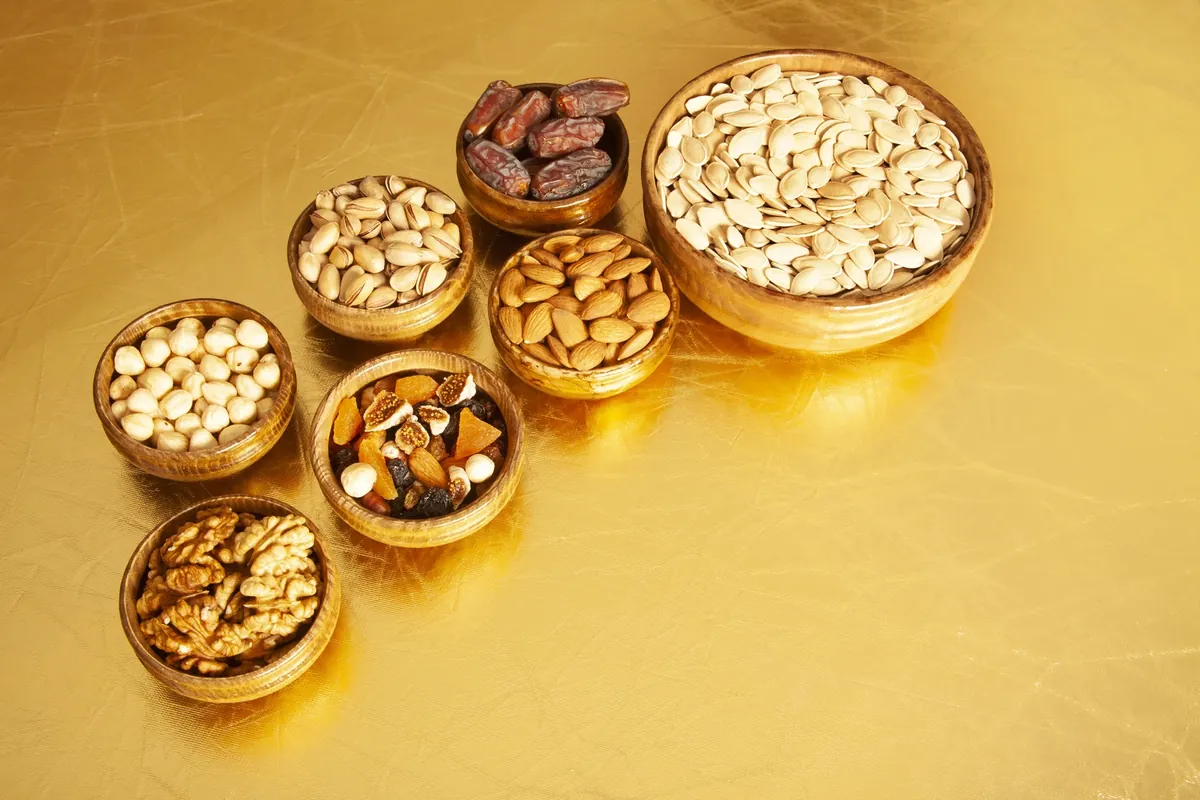
A dry-fruit box for the naivedya
Almonds, dates, raisins and walnuts are easy to offer and share. Check the pack date, weight and how the box is sealed..
See ideas on Amazon.in
- A brass or copper utensilBrass kalash and puja utensilsSee ideas
- A small silver coinSilver Lakshmi-Ganesh coinsSee ideas
- A brass diya setBrass diya setsSee ideas
- A new soft broomSoft broomsSee ideas
- A Lakshmi-Ganesh idol for your pujaLakshmi-Ganesh idolsSee ideas
- A dry-fruit box for the naivedyaDry-fruit gift boxesSee ideas
If you are buying gold or silver, what should you check?
Whenever real money is involved, the checks matter more than the date. For gold, look for these before you pay:
- BIS hallmark and HUID. Hallmarking of gold jewellery is mandatory in the districts notified by BIS, and each piece carries a six-digit alphanumeric HUID. You can verify the details with the BIS Care app. Ask the jeweller to show you the mark.
- Purity. 22K is common for jewellery and 24K for coins and bars. Ask what is written on the bill.
- Weight and rate. The bill should state the weight and the per-gram rate used for that day.
- Making charges. These are the jeweller's labour charges, normally a percentage or a per-gram amount. They are often negotiable, so ask, and compare them across shops. Read our guide to gold making charges in India before you shop.
- GST. CBIC's FAQ on gems and jewellery says GST on a retail jewellery sale is 3% of the total transaction value, whether or not making charges are shown separately. Rates can change, so check the current rate on your invoice.
- Buyback and exchange terms. Ask what percentage will be deducted if you sell or exchange later, and get it in writing.
Silver now has a similar system. BIS introduced HUID-based hallmarking for silver jewellery and articles under IS 2112:2025 from 1 September 2025, with grades from 800 to 999. The scheme is voluntary, so many items are still sold without it. If a piece is hallmarked, you can check the HUID and purity the same way.
A simple illustration, using round numbers that are not today's rate: if a plain gold coin of 5 g were priced at an example rate of ₹10,000 per gram, the metal value would be ₹50,000, and 3% GST on top would be ₹1,500. Real jewellery adds making charges to the metal value before tax. Use the formula, then plug in the real rate from your jeweller's board that day.
What should you skip on Dhanteras?
These lists are family custom, not rule, and they disagree. Many families avoid buying the following on Dhanteras. Treat the list as a custom, not a law, and ask your elders.
- Iron and steel items. Many sources advise against iron. Some also advise against stainless steel, because it contains iron, while others list stainless steel as acceptable. Your family's practice decides.
- Sharp objects. Knives, scissors and similar things.
- Glass. It is associated in some traditions with Rahu, though other guides recommend silver glasses and bowls. Again, it varies.
- Black items. Black clothes and objects are commonly avoided on a day of Lakshmi.
- Oil, ghee, aluminium or plastic. A few regional lists include these. It is not a universal rule.
Some skips are just common sense. Do not borrow to buy gold, and be wary of any scheme where you commit to monthly payments without reading the terms first. And do not let the festival turn into a race to spend: a smaller, well-chosen purchase is the better Dhanteras.
How is Dhanteras observed at home?
Many families clean the house, put out new purchases near the puja area, and worship Lakshmi, Ganesha, Kubera and Dhanvantari in the evening. A lamp for Yama is lit in many homes (Yama Deepam). The details, from the order of the puja to the offerings, differ by region and family, so use the plan your elders follow. For a full checklist of puja items, see our Diwali puja samagri list.
Yama Deepam is lit during Pradosh on 6 November; our Dhanteras dos and don'ts has the steps. Before you buy gold or silver, read how to check the HUID and hallmark, silver coins and payal: purity and price and the gold jewellery buying guide.
Frequently asked questions
What is the date of Dhanteras in 2026?
Dhanteras is on Friday 6 November 2026 (New Delhi calendar). Tithi and puja timings differ by city and by calendar, so check your local panchang for the right window.
Do I have to buy gold on Dhanteras?
No. Gold is the best-known purchase, but silver coins, brass or copper utensils, a broom, a diya set or an idol are all traditional. What matters is that the purchase is new and made with a good intention.
Is it unlucky to buy steel or glass on Dhanteras?
It depends on your family tradition. Many households avoid iron and steel, sharp objects and glass, but the lists vary between sources, and some accept stainless steel or silver glassware. Follow your family's custom.
Can I buy my Dhanteras items online?
Yes, many families do. Check seller ratings, the material and weight in the listing, the return policy and delivery dates, so the item reaches you before Dhanteras. For gold and silver, a hallmarked piece with a proper invoice matters more than speed.
What is Yama Deepam?
It is a lamp lit for Yama, the god of death, on Dhanteras, connected to the legend of King Hima's son. Where the lamp is placed and how it is lit vary by region, so follow your family's practice.
Your next step: decide your budget and one meaningful purchase this week, and check the hallmark if it is gold or silver. Then plan the rest of the festival with our five-day Diwali calendar and get the puja samagri list ready.
We may earn a commission if you buy through links on this page, at no extra cost to you. As an Amazon Associate I earn from qualifying purchases. How we earn