For a silver coin for Dhanteras, ask for 999 (fine) silver, with the weight and purity written on the sealed pack and on the invoice. For a silver payal, look for 925 sterling silver with a BIS hallmark and a HUID. On the latest BIS information we found, silver hallmarking in India is still voluntary, but the rule is changing, so check BIS before you buy.
Dhanteras falls on Friday 6 November 2026 and Bhai Dooj on Wednesday 11 November (some calendars say 10 November), so the weeks before are the busy ones. Dates vary by region and panchang, so check your local panchang. Every rupee sum below uses an example silver rate of ₹250 per gram. It is an example for the arithmetic, not today's rate.
What do 999, 925 and 800 mean on silver?
The number is the parts of pure silver in every 1,000 parts of metal.
| Mark | Silver content | Where you will see it |
|---|---|---|
| 999 | 99.9 percent, fine silver | Coins and bars. The softest grade. |
| 925 | 92.5 percent, sterling silver, the rest usually copper | Most silver jewellery, including payal |
| 800 | 80 percent | Some artefacts, utensils and lower-purity pieces |
BIS's revised silver standard, IS 2112:2025, lists seven grades: 800, 835, 925, 958, 970, 990 and 999. Aditya Birla Capital's guide (updated August 2026) calls 925 the most common jewellery grade and describes 990 and 999 as the investment grades for coins and bars.
One consequence is easy to miss: a 925 payal holds less silver per gram than a 999 coin, so a per-gram price for one is not comparable with the other.
Is silver hallmarking mandatory in India? The rule is changing
Not yet, as far as we could verify. BIS has offered voluntary silver hallmarking since 2005. From 1 September 2025 it moved to HUID-based hallmarking under IS 2112:2025, still on a voluntary basis, and a silver article that is hallmarked must now carry a HUID. The mark has three parts: the BIS Standard Mark with the word SILVER, the purity grade and the HUID.
On 4 June 2026, BIS's Director General said the Bureau was still examining the framework and infrastructure needed before silver hallmarking becomes mandatory, and that it would move gradually. Then, on 1 September 2026, a trade report in Indian Jeweller said silver hallmarking is expected to become mandatory from October 2026.
That report cited no BIS notification, and we found none, so treat it as a reported plan, not a rule. Check bis.gov.in for the current position.
For you, the practical advice does not change. Prefer hallmarked silver where you can get it, and ask for the HUID. In the BIS Care app, the HUID shows the article type, purity grade, hallmarking date, testing centre and jeweller's registration number.
BIS says more than 77 lakh silver pieces had received a HUID by the end of August 2026, so it is worth asking. Note that the mandatory rules BIS describes in its FAQ apply to gold, not silver.
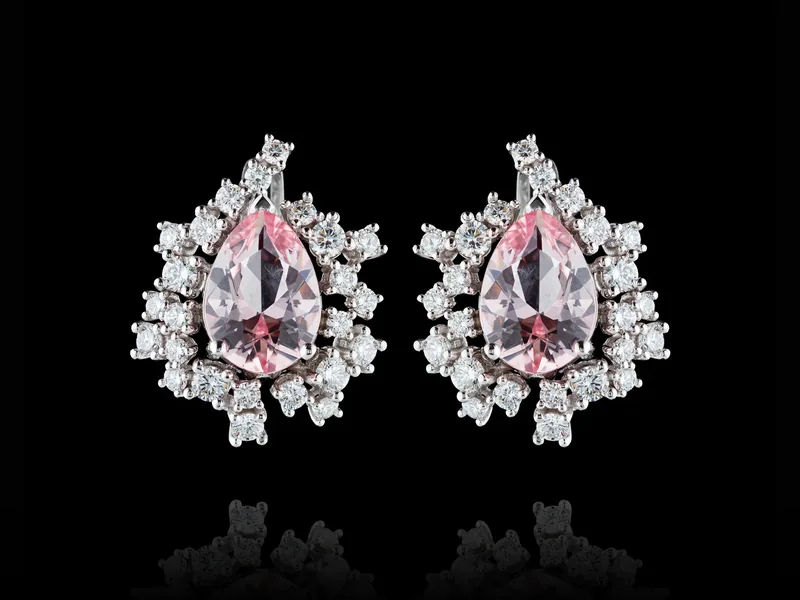
How to buy a silver coin for Dhanteras
Many families buy gold, silver or a metal vessel on Dhanteras, though customs differ by family and region. Our Dhanteras 2026 guide covers what to buy and what to skip. For silver, a coin is the simplest buy.
Sellers list coins from about 5 grams up to 100 grams. One seller's Dhanteras guide calls 5 to 10 grams the usual budget pick. Guides describe the price as the day's silver rate times the weight, plus a small making or premium charge, plus 3 percent GST.
Smaller coins usually cost more per gram, because the fixed cost of minting and packing is spread over fewer grams. Aditya Birla Capital's gold table shows the same pattern, with coins carrying more per gram than larger biscuits.
| Example, 999 coin at ₹250 per gram | 10 g coin | 50 g coin |
|---|---|---|
| Silver value | ₹2,500 | ₹12,500 |
| Making or premium (example) | 10 percent, ₹250 | 4 percent, ₹500 |
| Subtotal | ₹2,750 | ₹13,000 |
| GST at 3 percent | ₹83 | ₹390 |
| Example total | ₹2,833 | ₹13,390 |
| Total per gram | about ₹283 | about ₹268 |
The premiums are assumptions to show the sum, not published rates. What matters is that you compare the total per gram between sellers. One seller's guide also notes that coin prices often run a little higher around Dhanteras, so it pays to compare a few days early.
Before you pay, check these:
- Purity and weight printed on the pack and written on the invoice.
- A sealed pack with a certificate or card, ideally from a known mint, refiner or established jeweller.
- Any hallmark or HUID. Some sellers advertise coins as hallmarked. If a HUID is present, verify it in the BIS Care app. If the coin only says 999 and a brand, the purity rests on the seller's word and certificate.
- The invoice lines: weight, rate, premium and GST. Guides we checked show 3 percent GST on silver.
- Buyback terms. Ask whether the seller buys back, at what deduction, and whether the pack must stay sealed.
Silver payal design: what suits daily wear and what suits a wedding?
A retailer's design guide groups payal into a few types. A light daily payal or a single-line minimal one suits office and college. A chain payal with beads goes with both ethnic and western outfits. A classic ghungroo payal, the one with small bells, suits pujas, festivals and weddings.
A meenakari payal is a festive and wedding choice, an oxidised antique payal suits cotton sarees and kurtis, and a heavy bridal payal is for the wedding itself.
The same guide gives weights per pair: about 20 to 40 grams for light, 40 to 60 grams for medium and 60 grams or more for heavy. It is one retailer's guide, not a standard, and listings differ on whether a stated weight is per piece or per pair, so always ask.
A word on custom. In many families gold is not worn on the feet, and silver is the traditional metal for payal. Practice varies by region and community, so follow your family's way.
Our stance: for daily wear, a light 925 chain payal with a secure clasp is the best value, because it is comfortable and the cost is mostly silver. Check that the clasp closes firmly and that any bells are attached properly. Adjustable chains help with fit, since ankles differ.
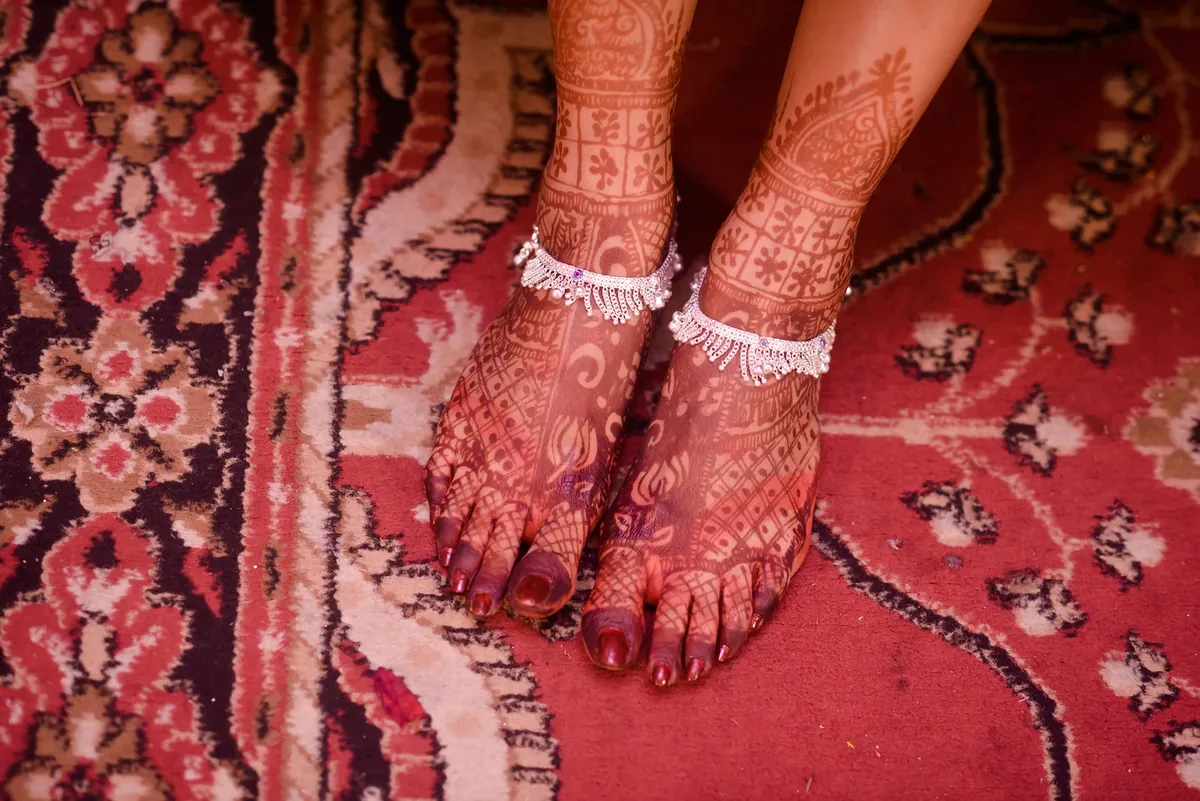
What does a silver payal cost?
Retailer guides give the same formula: silver weight times the day's silver rate, plus making charges, plus 3 percent GST. They differ on purity: one multiplies by 92.5 percent for a 925 piece, another simply uses the day's rate on the full weight. Ask which method the shop uses, and ask to see the rate on the invoice.
We found no official or widely published making rate for payal. One online jewellery brand's July 2025 guide put simple designs at ₹10 to ₹20 per gram and intricate ones at ₹20 to ₹50 per gram or more, with branded pieces at 10 to 30 percent of the cost.
That guide is over a year old and silver moves, so treat it as a starting point only. Ask each shop for its per-gram figure and its percentage.
| Example, 925 payal pair at ₹250 per gram | Light pair, 30 g | Ghungroo pair, 60 g |
|---|---|---|
| Silver value | ₹7,500 | ₹15,000 |
| Making charge (example) | 10 percent, ₹750 | 20 percent, ₹3,000 |
| Subtotal | ₹8,250 | ₹18,000 |
| GST at 3 percent | ₹248 | ₹540 |
| Example total | ₹8,498 | ₹18,540 |
The making percentages are assumptions to show the sum. Silver is cheap per gram compared with gold, so labour looks large as a percentage even when the rupee amount is modest. Compare totals, not percentages.
Plated, German silver or solid 925? How to tell before you pay
Solid 925 is an alloy of 92.5 percent silver, usually with copper. A plated piece is a base metal such as brass or copper with a thin layer of silver on top, and the layer wears off with regular use. German silver, also sold as nickel silver, contains no silver at all. It is made of copper, nickel and zinc.
A 925 stamp is a good sign, but one retailer's guide warns that it is not proof on its own. A HUID you can verify in the BIS Care app is stronger evidence. For an unmarked piece, ask the jeweller to test it with an acid or electronic silver tester before you pay.
Watch the wording too: oxidised describes a darkened finish, not purity, and silver-finish or silver-look can mean no silver. If a listing does not state the metal and the purity, ask.
Tarnish, care and safe storage
Tarnish is not a sign of fake silver. The Canadian Conservation Institute explains that silver tarnishes when it is exposed to sulphur-containing gases in the air, most commonly hydrogen sulphide, and that humidity speeds it up. Sterling silver, because of its copper, tarnishes faster than pure silver. So a 925 payal may darken, especially in humid weather, and that is normal.
Wipe your payal with a soft cloth after wearing it, and keep each piece in its own airtight pouch, away from sulphur sources. The Institute lists eggs, wool, rubber products and some paints and glues. Check anti-tarnish bags for silver on Amazon
Keep coins in their sealed pack with the invoice and certificate. Many families keep the Dhanteras coin at the puja through Diwali and then move it to a safe or a bank locker.
Silver gifts for Dhanteras, Bhai Dooj and weddings
A silver coin for Dhanteras on Friday 6 November is easy to give, easy to store and easy to verify. For Bhai Dooj on Wednesday 11 November (some calendars say 10 November), a small coin or a light payal is a gift a sister can use, and our Bhai Dooj gifts for a sister guide has more ideas.
Wedding muhurat season opens around 21 November, and one retailer advises ordering heavy or custom payal three to four weeks ahead. Check your local panchang for dates.
Whatever you give, keep the invoice and the pack with it, so the person who receives it can verify the purity and, if needed, sell it later. Some sellers also describe a payal as a baby girl's first piece of jewellery, though customs differ.
Frequently asked questions
Is silver hallmarking mandatory in India?
On the latest BIS information we found, no: silver hallmarking is voluntary, though any silver article that is hallmarked must carry a HUID. A trade report on 1 September 2026 said it may become mandatory from October 2026, but we found no BIS notification, so check bis.gov.in.
Which silver purity is best for a payal?
925 sterling silver is the usual jewellery grade. It is harder than 999 fine silver, so it holds its shape better on the ankle. Ask for a hallmark with a HUID, and verify the code in the BIS Care app.
Which silver purity should I buy for a silver coin for Dhanteras?
Coins are commonly sold in 999 purity. Ask for the purity and weight on the sealed pack and the invoice, and check the buyback terms before you pay.
Why has my silver payal turned black?
Tarnish is silver sulphide forming when silver meets sulphur gases in the air, and it does not mean the piece is fake. Sterling silver tarnishes faster than pure silver because of its copper, so wipe it after wearing and store it in an airtight pouch.
How can I check whether silver is real?
Look for the BIS mark with the word SILVER, the purity grade and a HUID, and verify the HUID in the BIS Care app. For unmarked pieces, ask a jeweller to test it with an acid or electronic tester before you pay.
Your next step: decide whether you want a coin, a payal or both, and ask two sellers for a written quote showing weight, purity, rate, making charge and GST. Compare the total per gram, and read our Dhanteras buying guide, our HUID check guide and how making charges work before you pay.
We may earn a commission if you buy through links on this page, at no extra cost to you. As an Amazon Associate I earn from qualifying purchases. How we earn