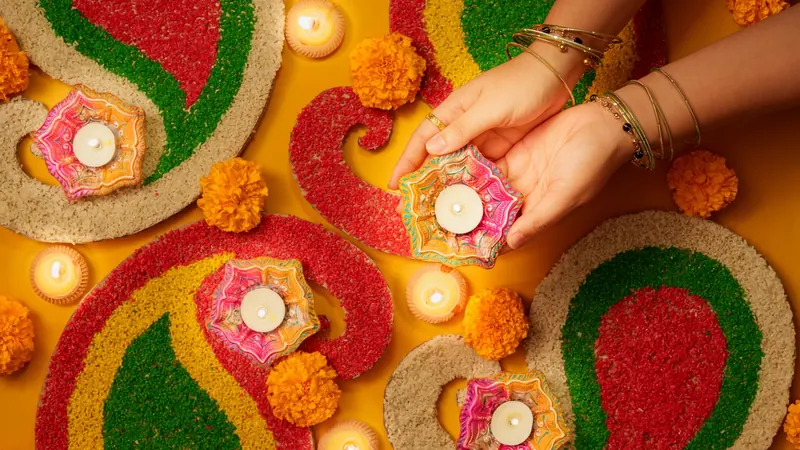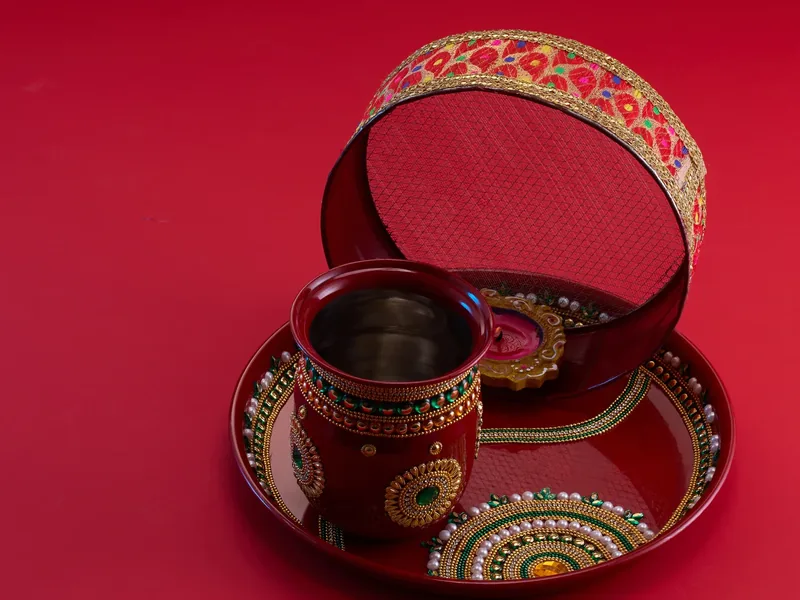
Chhath puja 2026 runs from Friday 13 to Monday 16 November, with Sandhya Arghya on Sunday 15 November (Drik Panchang). The samagri is a bamboo soop and daura, sugarcane, seasonal fruit, thekua ingredients (wheat flour, jaggery, ghee), earthen diyas and puja basics, plus fresh clothes for the vratin. The full list is below, day by day.
Calendars differ by a day for some years and by city for the arghya timings, so please confirm the dates and your local sunset and sunrise times on a panchang such as Drik Panchang for your city. We have not quoted any timings here for that reason.
When is Chhath puja 2026, and what are the four days?
Chhath falls on the sixth day (Shashthi) of the bright fortnight of the month of Kartik. In 2026 the main day, Sandhya Arghya, is Sunday 15 November according to Drik Panchang. That is seven days after Diwali, which falls on Sunday 8 November, and the four days of the festival run from 13 to 16 November.
It is celebrated most widely in Bihar, Jharkhand, eastern Uttar Pradesh and the Terai region of Nepal, and wherever families from those regions have settled. The sun god Surya and Chhathi Maiya, also called Usha or Shashthi Devi, are worshipped.
Most calendars agree on the dates below, though one listing runs a day later, so use the table as a planning guide and check your panchang.
| Day | Name | Likely date in 2026 | What happens |
|---|---|---|---|
| 1 | Nahay Khay | Friday 13 November | A holy bath, a clean home and one simple vegetarian meal, often with lauki (bottle gourd) and rice |
| 2 | Kharna (Lohanda) | Saturday 14 November | A day-long fast, broken in the evening with jaggery kheer and roti; the 36-hour nirjala fast begins after this |
| 3 | Sandhya Arghya | Sunday 15 November | Evening offering to the setting sun at a river, pond or other water body |
| 4 | Usha Arghya and paran | Monday 16 November | Morning offering to the rising sun, then the fast is ended and prasad is shared |
Families follow these days in slightly different ways. Some cook the Nahay Khay meal with chana dal and kaddu (pumpkin) and rice, others keep it to lauki and rice. Where your family's practice differs from this page, follow your family. The elder women who have observed Chhath for years are your best guide, and nobody minds a first-time vratin asking questions.
Many families prepare the Chhath food without onion and garlic, and many also avoid ordinary salt, though customs differ: some homes use sendha namak (rock salt) for the Nahay Khay meal, so follow your family's practice. In many homes the prasad is cooked on a clay stove fuelled with mango wood.
Plan your shopping around that, because a few items, especially the clay stove and mango wood, are easier to arrange early than on the day.
What do you need for Nahay Khay and Kharna?
For the first two days you mainly need pantry items and a handful of vegetables. These days are about cooking clean and simple food, so the shopping list is short.
Nahay Khay (day 1)
- Lauki (bottle gourd), plus chana dal or kaddu if that is your family's practice
- Rice, for the bhaat
- Ghee and a clean new or freshly washed set of utensils for the kitchen
- Fresh clothes for the vratin and a clean cloth for the cooking area
Kharna (day 2)
- Jaggery (gur) and rice, for the kheer; some families specify arwa rice, so ask at home
- Milk, for the kheer
- Wheat flour for the roti and ghee to cook with
- Banana, and any fruit your family offers with the kharna prasad
- Mango wood or dry wood for the clay stove, if you cook the traditional way
Keep the kharna ingredients ready the night before. Once the evening meal is eaten, the fast continues for 36 hours without water, so the rhythm of Day 2 is quieter if the cooking is not rushed.
What goes into the complete Chhath puja samagri list?
The lists published by news and devotional sites agree on a core set and differ on the counts, for example how many baskets and soops. Treat the list below as a base and adjust it to your family's tradition. We have grouped the items so you can shop in one go.
Baskets, vessels and clothes
- Bamboo soop (winnowing tray) and bamboo baskets. Lists mention two large bamboo baskets and soops made of bamboo or brass; many families call the larger lidded basket the daura or dala, but names and counts vary by home. Buy them from a local market if you can, since Chhath baskets are widely sold in the weeks before the festival.
- A lota (water pot), a thali and a glass for the milk and water that are offered as arghya.
- A new or freshly washed suit or sari for the vratin, kept clean and set aside for the puja.
Fruit, vegetables and produce
- Sugarcane, usually five stalks with the leaves attached
- Sweet potato (shakarkand) and suthni (a type of yam)
- Large lemon (ghaagar nimbu in some lists; ask at home which citrus your family uses), custard apple, banana and pear
- Coconut with its water
- Radish and a green ginger plant, with turmeric (haldi)
- Betel leaves and areca nut (paan and supari)
Prasad ingredients
- Wheat, to be washed, dried and ground into clean flour for the thekua; many families do this at home, and some buy ready flour from a trusted source
- Jaggery and ghee, for the thekua
- Rice flour and rice, for rice laddoos and kheer where your family makes them
- Sweets, and honey for the offering
Puja basics
- Earthen lamps (diyas), cotton wicks and ghee or oil.
- Vermilion (sindoor), rice, sandalwood paste and incense sticks or dhoop.
- Camphor, matchbox and fresh flowers
- A mat or clean cloth to sit on while you wait at the ghat
The two items people most often leave until the last minute are the bamboo soop and the earthen lamps. Both sell out in busy markets close to the festival, so buy them a week ahead where you can. Fruit and sugarcane are best bought fresh, on the day before Sandhya Arghya, so that they look and taste their best in the soop.
See ideas on Amazon.in
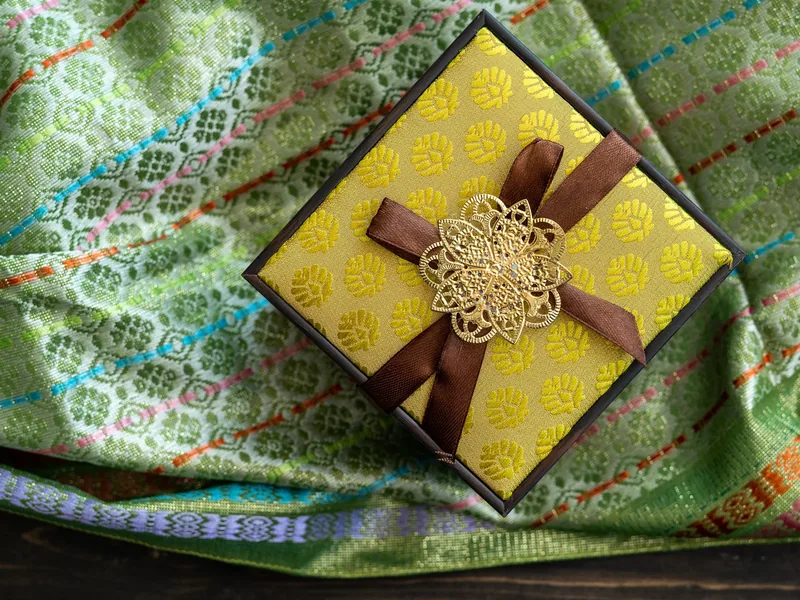
How do you make thekua, and what goes in it?
Thekua is the best-known Chhath prasad, a crisp, sweet, deep-fried biscuit made from wheat flour, jaggery and ghee. Many families add grated dry coconut, cardamom or fennel seeds, but recipes differ by village and household, so use the one your family trusts.
Ingredients for a basic batch
- Wheat flour, about two cups, cleaned and sieved
- Jaggery, melted in a little water and cooled
- Ghee, for the dough and for frying
- Optional: grated dry coconut, cardamom, fennel seeds
What to keep in mind
Knead a stiff dough with the cooled jaggery syrup and a little ghee, shape it with a thekua mould or a fork, and fry slowly so that the centre cooks through. A stiff dough keeps its design and stays crisp for days.
Because the prasad is meant to stay pure, many families keep the cooking area separate, wash hands before touching the dough and do not taste the thekua before it is offered. Ask the elders at home what applies to you.
Which items should you buy early, and which fresh?
Buy the dry goods and the soop by Friday 6 November. Buy sugarcane, fruit and flowers on Saturday 14 November, the day before Sandhya Arghya.
| Buy a week ahead | Buy 1 to 2 days ahead |
|---|---|
| Bamboo soop and baskets | Sugarcane with leaves |
| Earthen diyas, wicks, incense, camphor | Fruit: banana, pear, custard apple, citrus |
| Wheat, jaggery, ghee, rice, rice flour | Coconut, radish, ginger plant, turmeric |
| Vermilion, rice, sandalwood paste | Flowers, betel leaves, milk |
| Fresh clothes for the vratin and family | Sweet potato and suthni |
What do you need to carry to the ghat for arghya?
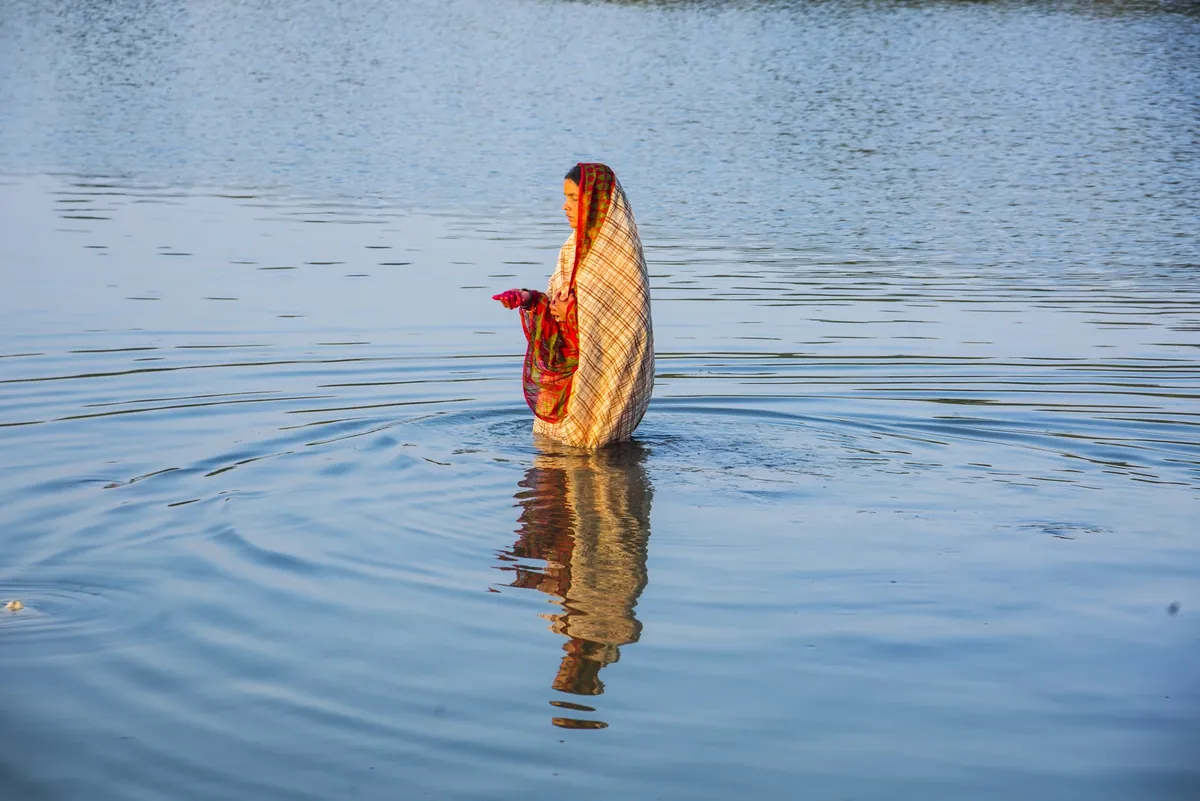
On Day 3 and Day 4 the offerings go to a river, pond or other water body. The soop, lamps and fruit all travel to the water, so arrive well before arghya and allow for the walk and the wait.

- The soop or basket with the fruit, thekua and offerings arranged, covered with a clean cloth
- A lota or glass with milk and water for the arghya
- Lamps, matches and incense, kept dry in a bag
- A change of clean clothes and a towel, especially for the cold morning
- A mat or small stool, and a torch or phone light for the early hours
- A family member to carry the basket and stay near you
Safety matters at the water and with flames. Choose a ghat with a marked, shallow area, keep children close and avoid going out alone if the bank is slippery or crowded. Never leave a lit diya, camphor or incense unattended, and keep flames away from children, dupattas and the cloth over the soop.
Which rules do most families keep during Chhath?
Chhath is known for its discipline. We list the points that most guides agree on, but each household has its own practice, so use this as a reminder rather than a rulebook.
- Clean homes and clean utensils, with the kitchen kept for the prasad
- Many families keep onion and garlic out of the prasad and festival food, and many avoid ordinary salt too; some use sendha namak on Nahay Khay
- Bathing before cooking or touching the offerings
- The 36-hour fast after kharna is traditionally observed without water
- The prasad is shared with family, neighbours and those at the ghat after the final arghya
If you have diabetes, are pregnant, are elderly or have any other health condition, please speak to your doctor before observing a long or waterless fast. A vrat should never be at the cost of your health, and many families adjust the observance for the vratin's age and health.
Where do you get the best quality items?
For Chhath, local is usually best. Bihari and Jharkhandi markets, and Chhath bazaars in other cities, sell the baskets, sugarcane and fruit in the right sizes. Online shopping is handy for the non-perishable items and for people living away from home, such as students and families who have moved to a metro.
Look at the dimensions in the listing, because a soop that is too small will not hold the offerings, and read the reviews about the finish. Choose clean, smooth bamboo without splinters.
Also read: the Chhath saree and outfit guide, the 2026 to 2027 festival calendar, diya and lights ideas for earthen lamps and the Diwali puja samagri list.
Frequently asked questions
When is Chhath puja in 2026?
Drik Panchang lists the main day, Sandhya Arghya, as Sunday 15 November 2026. Counting from that, Nahay Khay is Friday 13 November, Kharna is Saturday 14 November and Usha Arghya is Monday 16 November. Some calendars differ by a day, so please check your local panchang.
What is the most important item in the Chhath samagri?
The bamboo soop with the offerings is central, along with the thekua, sugarcane and seasonal fruit that are placed in it. Which items are essential varies by family, so ask the elders at home.
Can I buy a ready Chhath puja kit?
Yes, ready kits and individual items are sold in local markets and online. Check what each kit contains against your own list, because kit contents and counts differ.
Do families use salt during Chhath?
Customs differ. Many families cook the festival food without onion and garlic, and many avoid ordinary salt as part of the observance's purity, while some homes use sendha namak (rock salt) on Nahay Khay. The sources we read do not agree on salt, so follow your family's tradition.
Is it safe to fast for Chhath with a health condition?
If you have diabetes, are pregnant, elderly or have any medical condition, ask your doctor before fasting, especially a waterless one. This page gives general information only.
Your next step is to make a two-column list from the tables above, mark what is already at home, and book the soop and diyas this week. If you are planning the festive weeks around Chhath, you may also like our Diwali 2026 five-day calendar, the Diwali puja samagri list and the Karwa Chauth sargi items list.
We may earn a commission if you buy through links on this page, at no extra cost to you. As an Amazon Associate I earn from qualifying purchases. How we earn