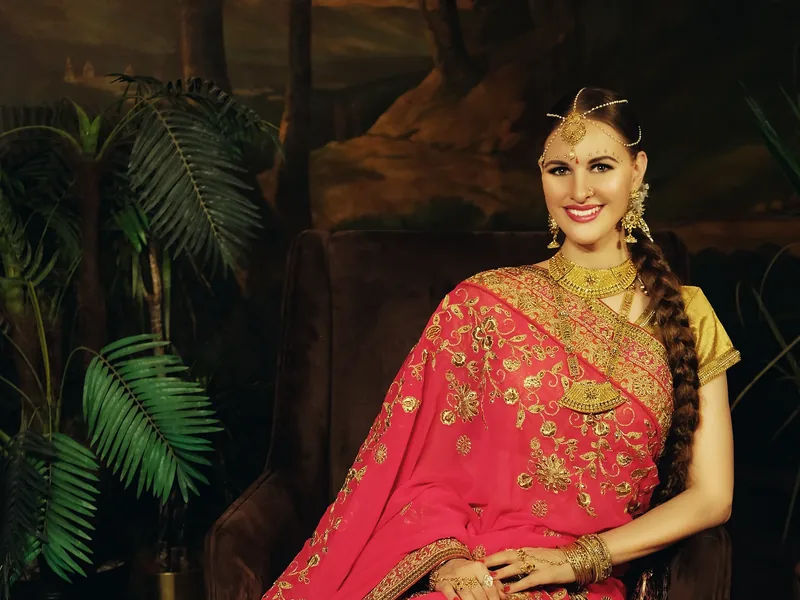
For Chhath, the woman keeping the fast, called the vratin, usually wears a clean, simple saree in a traditional colour such as yellow, orange, red or saffron, and many families prefer plain cotton to anything synthetic at the ghat.
Chhath 2026 runs from Friday 13 to Monday 16 November, and the main day, Sandhya Arghya, is Sunday 15 November according to Drik Panchang. Dates and timings differ by calendar and by city, so check your local panchang before you plan.
This guide is about practical clothing, written with respect for the custom. Chhath is observed differently from family to family and region to region, so we do not claim one correct way. Where we describe a custom we say "many families", and your own family's way always comes first.
What do women wear for Chhath puja?
A Chhath puja saree is simple, clean and comfortable enough to stand in for a long time. Many families ask the vratin to wear freshly washed or new clothes, and some guides describe an unstitched saree in yellow or red for the vratin, with a dhoti for men. Practice varies, especially for the blouse and petticoat, so ask an elder in your family what is expected and follow it.
Many vratins also apply sindoor in a long line from the nose to the parting. Other women in the family can follow the same palette in sarees or suits, and clean, comfortable clothes suit children best, but ask your family what they expect. The idea running through all of it is purity and simplicity, not display. A plain saree worn well says more than a heavy one worn nervously.
Silk, and Banarasi silk in particular, appears on many sellers' Chhath lists, and a light silk can be lovely for the family. For the vratin who will spend hours at the ghat, however, breathable cotton is usually the most practical choice. Cotton, cotton silk and light handloom sarees are all comfortable on a long day.
Which colours do families use for Chhath?
Yellow, orange, red and saffron are the colours most often named for Chhath. A popular explanation is that they echo the sun at dusk and dawn, since Chhath honours the sun, but these are customs rather than a written rule, and families differ.
| Colour | What many families associate with it |
|---|---|
| Yellow and mustard | The morning sun and purity; the most popular choice for a cotton saree |
| Orange and saffron | The sacred, sunrise colour; popular for sarees and dupattas |
| Red | Auspiciousness; many married women choose it |
| Green | Fields and harvest; some styling guides list it as suitable |
Some families avoid black for Chhath, and styling guides repeat this, but we could not find an authoritative source for it, so treat it as custom and ask an elder. If you are unsure, choose yellow, orange or red and you will not go wrong.
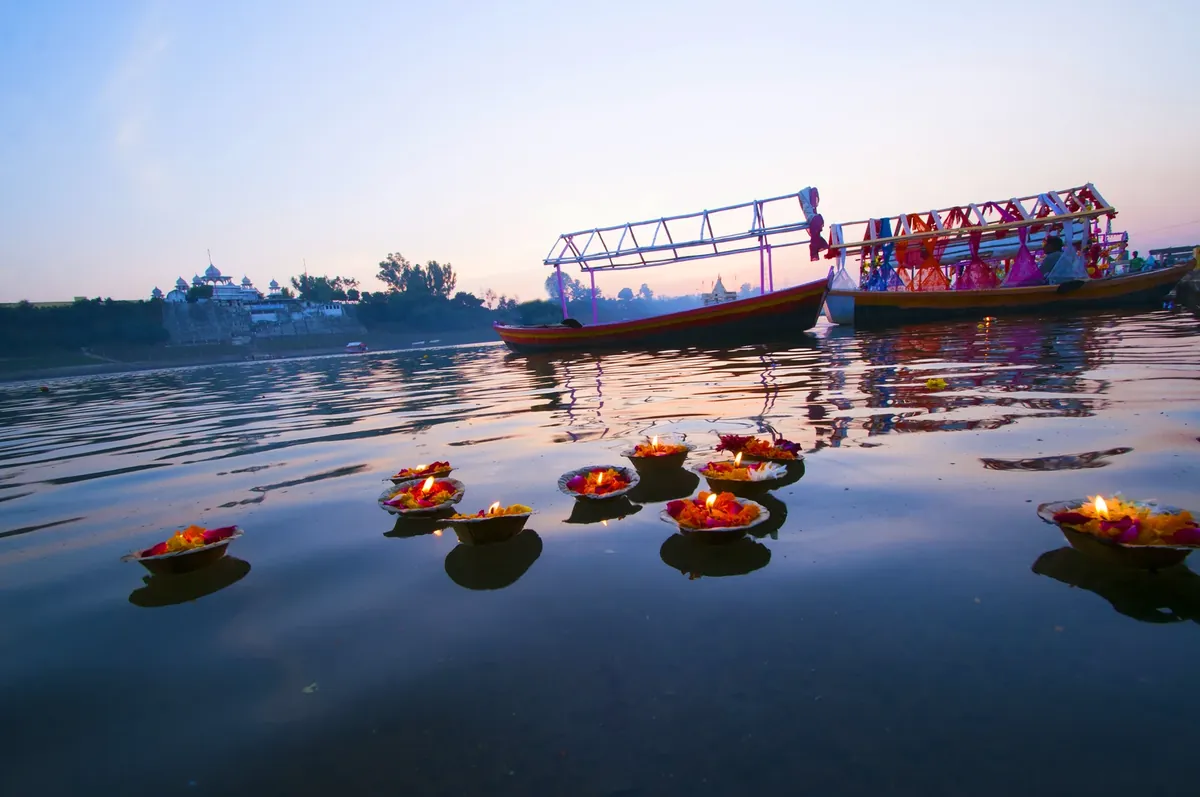
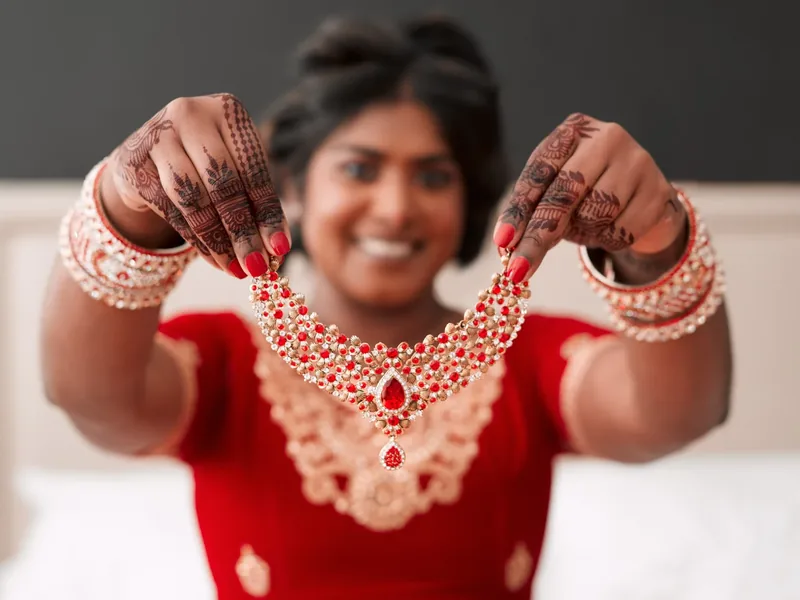
Chhath 2026 dates and what to wear each day
Chhath is a four-day festival in the month of Kartik. These are the dates according to Drik Panchang. Always confirm with your own local panchang, because timings change by city.
| Day | Date in 2026 | What happens | Clothing note |
|---|---|---|---|
| Nahay Khay | Friday 13 November | Holy bath, house cleaned, a simple meal | Fresh, clean clothes after the bath |
| Kharna (Lohanda) | Saturday 14 November | Day-long fast, kheer in the evening | Comfortable, loose cotton |
| Sandhya Arghya | Sunday 15 November | Offering to the setting sun at a river, pond or ghat | Main outfit, spare dry saree and a shawl |
| Usha Arghya and Parana | Monday 16 November | Offering to the rising sun, then the fast is broken | Warm layer for the early walk to the water |
The evening of 15 November is the most demanding day for clothing, because the vratin stands in or beside water with the offerings. Plan that outfit first. If you have diabetes, are pregnant or have any medical condition, speak to your doctor before you fast.
What is practical at the ghat?
Think about three things: water, wind and the long wait.
- Fabric weight. Choose a saree of medium weight in cotton or cotton silk. Very thin fabric can turn see-through when wet, and a very heavy one gets dragging and cold. Wet cotton is heavy, so avoid an extra-long, wide pallu.
- A drape that stays put. Pin the pleats at the waist and the pallu at the shoulder with safety pins. Wear a fitted petticoat and a blouse you can move your arms in, because you will be holding the offerings for some time.
- A dry change. Carry a spare saree, a towel and a bag for the wet clothes, and find out in advance where you can change. This matters most at crowded public ghats.
- Cold mornings. Mid-November dawn can be chilly in north India. Bring a shawl for the walk, take it off before you step into the water, and keep a dry layer ready to wear straight after.
- Footwear. Wear flat, non-slip sandals for the walk and leave them at the edge. Ghat steps can be slippery and uneven.
- Fibre is a comfort choice, not a safety choice. Many families prefer natural fabrics such as cotton at the ghat, but no fibre makes a drape safe near a flame: an IIT Delhi study reported by Outlook found that cotton saris catch fire easily and burn vigorously. Wear a fitted blouse, pin the pallu well and tie back loose ends.
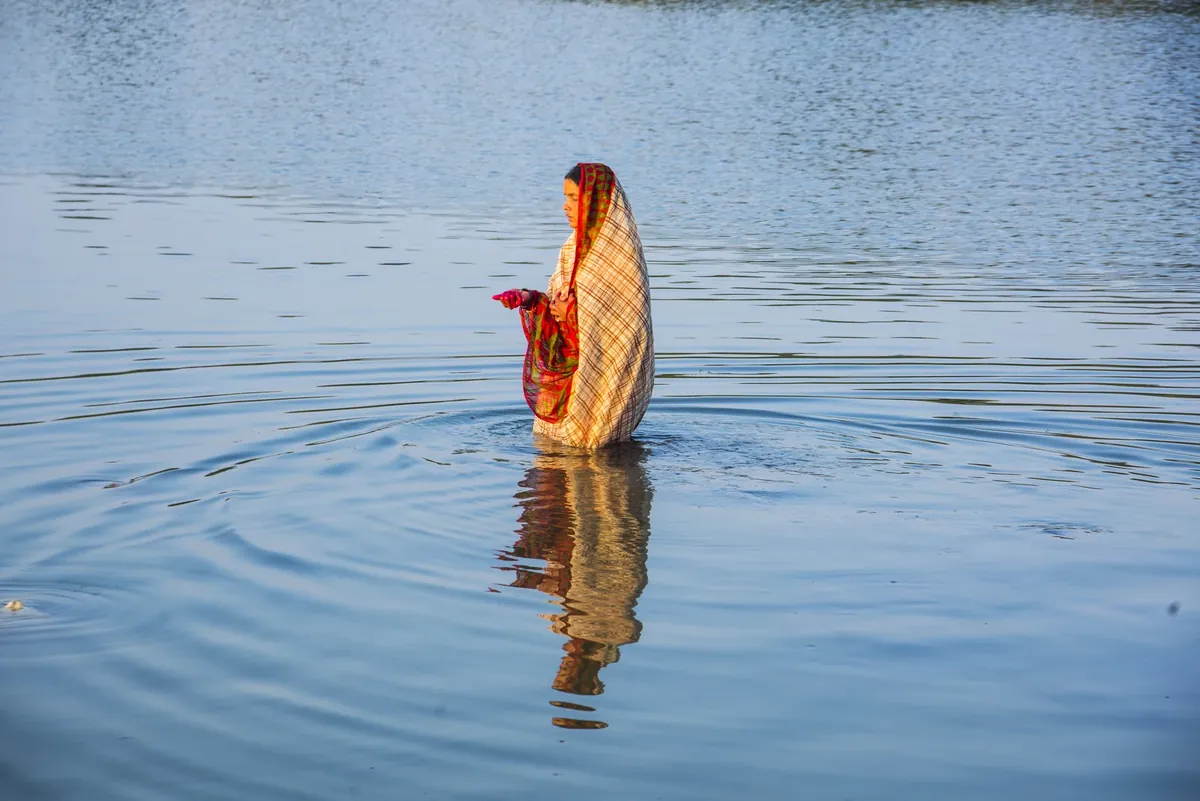
What to buy: six pieces for a Chhath outfit
The puja items themselves are in our Chhath puja samagri list. These are the clothing pieces worth searching for, with the one thing to check on each.
Plain cotton saree in yellow, orange or red
The core of the outfit. Check that the colour is described as fast or non-bleeding, wash it once before the day, and make sure the blouse piece is included.
Cotton silk or handloom cotton saree with a plain border
A step up for the evening arghya or for other women in the family. Check the fibre line on the listing and look for a simple border, not heavy embroidery.
Cotton petticoat
A good petticoat decides how a saree feels at the water. Look for a cotton one with a drawstring that fits your waist, and a colour that does not show through.
Readymade cotton blouse
Useful if you cannot get to a tailor in the festival rush. Check the size chart against a blouse you own, and look for a lining that is not synthetic.
Shawl or stole for the cold walk
A wool or thick cotton shawl for the early walk to the ghat. You will take it off before the water, so pick one you can fold into a bag.
Non-slip flat sandals
For wet steps. Check the sole for a grip pattern and that the strap does not rub.
See ideas on Amazon.in
- Plain cotton saree in yellow, orange or redCotton sareesSee ideas
- Cotton silk or handloom cotton saree with a plain borderCotton silk sareesSee ideas
- Cotton petticoatCotton petticoatsSee ideas
- Readymade cotton blouseCotton blousesSee ideas
- Shawl or stole for the cold walkShawlsSee ideas
- Non-slip flat sandalsNon-slip sandalsSee ideas
Chhath saree ideas by budget tier
We do not quote prices, because they differ by seller and by city. Pick your tier first.
- No new purchase: a well-washed plain cotton saree you already own in a suitable colour, if your family is happy with that. Spend your effort on the spare dry set and the pins.
- Small budget: one new simple cotton saree in yellow, orange or red, with a cotton petticoat.
- Mid budget: a cotton silk or handloom cotton saree with a plain border, and a readymade or newly stitched blouse.
- Higher budget: a lightweight silk or tussar saree for the family evening, with the cotton saree kept for the water.
Whatever your tier, buy at least ten days ahead so the saree can be washed and any blouse can be altered. Chhath follows Diwali and Bhai Dooj closely, so the days before it are busy. Our five-day Diwali calendar helps you see where the days fall.
How does Chhath dress differ by region?
Chhath is most closely associated with Bihar, Jharkhand and eastern Uttar Pradesh, and it is also observed in Nepal and by communities in Delhi, Mumbai, Kolkata and abroad, including the UK, the US and Australia. The basics of dress are similar, so the differences are mostly about where and how you stand at the water.
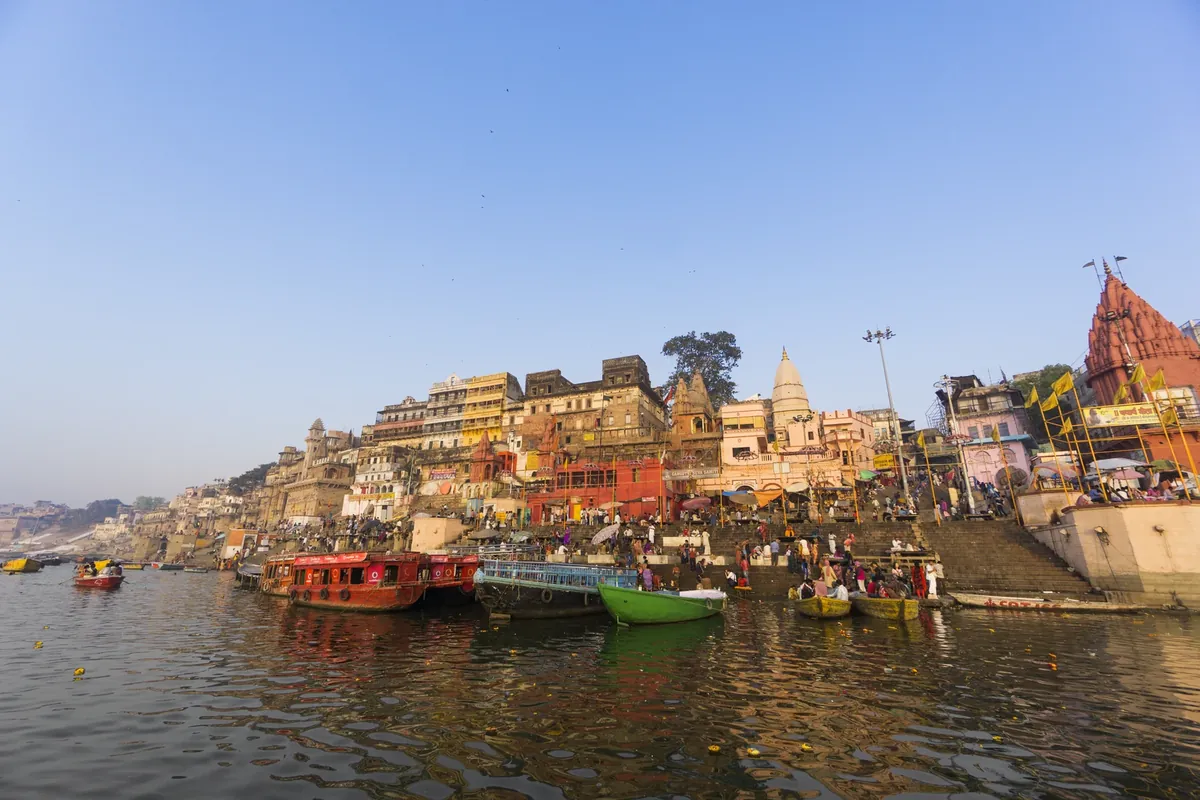
- Bihar, Jharkhand and eastern UP: families usually go to a nearby river, pond or ghat, so plan for crowds, a long walk and cold water in the early morning.
- Delhi NCR: families use riverbanks, canals and temporary or artificial ponds set up by the authorities. In 2025 the Delhi government said arrangements would be made at around a thousand sites, so check which one your neighbourhood, temple committee or RWA will use this year.
- Other cities and the diaspora: some families use a riverbank or lake, and some use an indoor set-up. In cold climates outside India, dress in layers and ask your local community group where the arghya will be held and what arrangements they have.
Safety at the ghat: water, flame and cold
- Water: stay inside the marked or barricaded area, keep children and elders supported on slippery steps, and do not go deeper than the arrangements allow.
- Flame: lit diyas on the soop need protection from wind. No fibre makes a drape safe near a flame, so wear a fitted blouse, pin the pallu and any dupatta firmly, tie back loose ends, keep your distance from lit diyas and never lean over a flame. Never leave a lit diya unattended, and keep lamps away from children, curtains and dupattas.
- Cold: a vratin who has been fasting and standing in water can feel the cold quickly. Keep the dry saree and shawl within reach.
- Fasting: people with diabetes, pregnancy or any medical condition should check with their doctor before fasting.
Frequently asked questions
What do women wear for Chhath puja?
Most vratins wear a clean, simple saree in yellow, orange or red, often cotton. Many families ask for fresh or new clothes, and some prefer unstitched cloth. Practice differs, so follow your family's custom.
What colour saree is worn on Chhath?
Yellow, orange, saffron and red are the colours most often chosen. Some families avoid black. These are customs, and families differ, so check with an elder.
When is Chhath puja in 2026?
According to Drik Panchang, Nahay Khay is on Friday 13 November, Kharna on Saturday 14 November, Sandhya Arghya on Sunday 15 November and Usha Arghya on Monday 16 November. Check your local panchang for timings.
Can I wear a synthetic saree for Chhath?
Many families prefer cotton or other natural fabrics at the ghat, so ask yours. Fibre does not make a saree safe near a flame: an IIT Delhi study reported by Outlook found that cotton saris catch fire easily, and synthetics melt as they burn. Whatever you wear, pin the pallu well, keep your distance from the diyas and tie back loose ends.
What should I carry to the ghat?
A spare dry saree, a towel, a bag for wet clothes, safety pins, a shawl for the cold, and non-slip sandals. The puja items are in our samagri list.
Your next step: ask an elder in your family what the vratin wears and in which colour, then lay out a main saree, a spare and the pins a week before 15 November. The Chhath puja samagri list covers the puja items, the five-day Diwali calendar shows the run-up, and our Diwali outfit ideas may help you plan the earlier festival days.
We may earn a commission if you buy through links on this page, at no extra cost to you. As an Amazon Associate I earn from qualifying purchases. How we earn